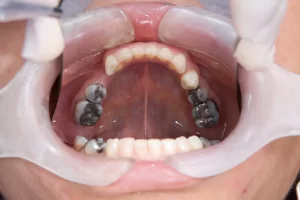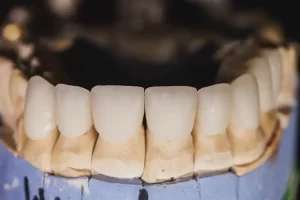
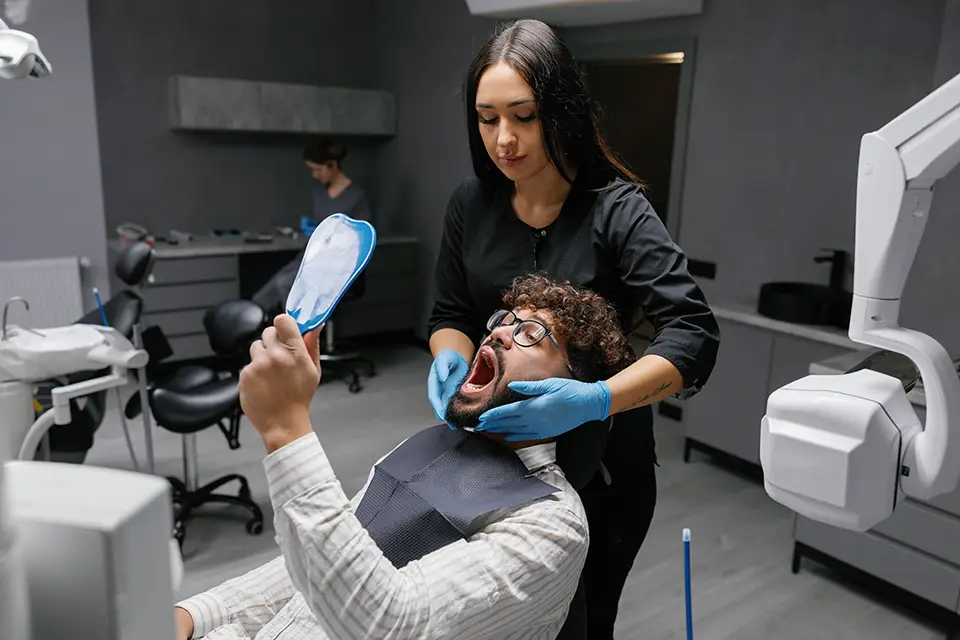
If you are looking into Zenyum clear aligners for teeth straightening, the goal is usually the same: a discreet way to improve mild crowding or small gaps without changing your routine. What matters most is starting with the right diagnosis. A proper exam checks gum health and bite first, because inflammation, untreated decay, or a bite imbalance can affect comfort, tracking, and long-term stability. A custom treatment plan based on records, such as a 3D scan, helps aligners move teeth safely and predictably. You can get started with a consultation at a dental clinic in Richmond Hill.
This guide explains how Zenyum works, what the step-by-step process involves, and what influences cost in real clinics. You will also learn what affects wear time and results, plus when another option may be a better fit for mild to moderate cases.
What Is Zenyum?
Zenyum is a clear aligner system that straightens teeth by using a series of thin, custom-fit trays that you switch as your teeth move. Think of it as a step-by-step plan: each tray targets small changes, and the sequence adds up to a noticeable improvement in alignment. Because aligners are removable, many patients find eating and brushing easier than with brackets, but the trade-off is commitment. Consistent wear and dentist-supervised care are what keep treatment predictable and help you get the kind of teeth straightening result you are actually paying for, whether you choose Zenyum or Invisalign in Richmond Hill.
Zenyum Procedure: Step-by-Step
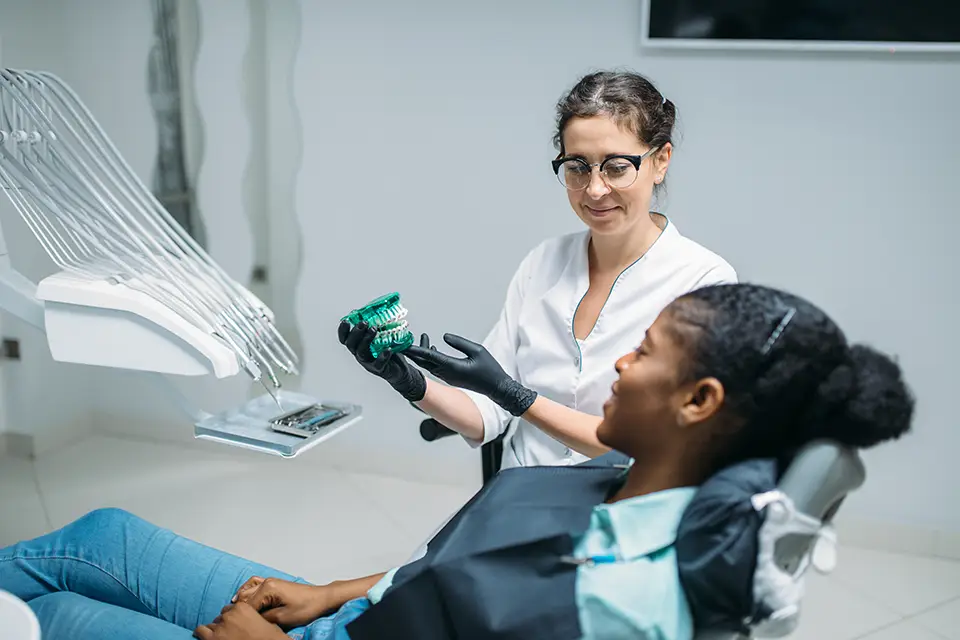
Before you start, a zenyum case is planned around your bite and gum health, not just what your teeth look like in photos. Here is what the step-by-step process usually involves in a dental setting.
- Begin with a screening to confirm you are within mild to moderate cases, and to treat anything that could interfere with aligner tracking
- Take records such as photos and a 3D scan, and add X-rays if your dentist needs to check bone levels or hidden decay
- Review the digital plan, so you understand what will change, what will not, and how often you will be monitored
- Receive your Zenyum trays and follow wear instructions closely, because consistency is what keeps movement on schedule
- Attend check-ins to confirm progress and plan refinements if teeth are not tracking as expected
- Move into retention with a retainer to protect long-term stability once active tooth movement ends
Zenyum Pros and Cons
Zenyum can be a good fit when the plan matches your bite, and you can commit to daily wear. The pros and cons below are the points patients usually care about once they get past the marketing.
- Clear aligners are discreet and support everyday confidence at work, school, and social events
- Removable trays make meals and brushing easier for many people, which helps protect oral hygiene during teeth straightening
- Mild crowding or spacing can respond well when tracking is steady, and check-ins are consistent
- Skipping wear time can delay progress and affect treatment predictability, even with a well-built plan
- Complex bite issues may need a different approach, and that is where clinical suitability matters most
- Some cases require attachments or refinements, which can change convenience and overall timing
Zenyum Cost: What Affects the Price?
Zenyum pricing is not one size fits all, because the cost depends on how much tooth movement is needed and how your bite responds during treatment. In general, clear aligners can start around a few thousand dollars, but the final fee can change after an exam and scan confirm what your case actually requires. The most common cost drivers are case complexity, the number of aligners, and whether attachments or refinements are needed to keep teeth tracking.
Other factors include diagnostic records, the retainer phase, and follow-up visits. For a reliable quote, the best step is a consultation where your dentist reviews your treatment plan and expected finish.

Zenyum vs Invisalign: Quick Comparison
Both zenyum and Invisalign are clear aligner options, but the right choice depends on your bite, the complexity of movement, and the level of clinical monitoring you need. In straightforward spacing or mild crowding, either system may work well when the plan is based on accurate records, and you follow wear instructions. For more demanding cases, your dentist may recommend an approach with broader case capability and more in-office tools for attachments, refinements, and tracking.
If you are comparing options in Richmond Hill, reviewing your goals and scan results with a provider is the safest way to protect long-term stability.
Conclusion: Book a Clear Aligner Assessment at North Hill Dental
If Zenyum feels like the right direction, the next smart step is a consultation that looks at more than tooth position. A dentist will check gum health and bite, review photos or a 3D scan, and tell you whether clear aligners can deliver the result you want without compromising stability. That appointment is also where you get a realistic timeline and a clear breakdown of what your treatment plan may include, such as attachments, refinements, and retainers. Since pricing varies by case, this is the only reliable way to discuss cost with confidence.
To book, visit North Hill Dental, Dr. Nasser Jafari and Associates, 9993 Yonge St, Richmond Hill, ON L4C 1T9, Canada.
FAQs
How many hours a day should I wear Zenyum aligners?
Most clear aligner plans require consistent daily wear for predictable tooth movement. For many patients, that means wearing trays most of the day and only removing them for meals and brushing, but your dentist will set the exact schedule. Strong wear-time habits help avoid delays and reduce the need for extra refinements.
Will Zenyum affect speech or comfort at first?
A mild lisp and pressure are common during the first few days, especially when switching to a new tray. Those sensations usually settle as your mouth adapts. Sharp pain, gum irritation, or a tray that will not seat fully should be checked promptly to protect gum health and ensure proper tracking.
Can I eat and drink with Zenyum trays in?
Most patients remove aligners for meals to prevent staining, warping, and trapped food around teeth. Water is typically fine while wearing trays. Keeping a routine for brushing and cleaning trays supports oral hygiene and lowers the risk of tooth decay during treatment.