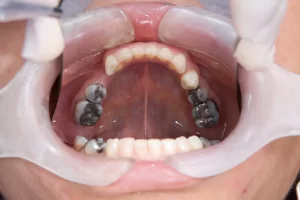
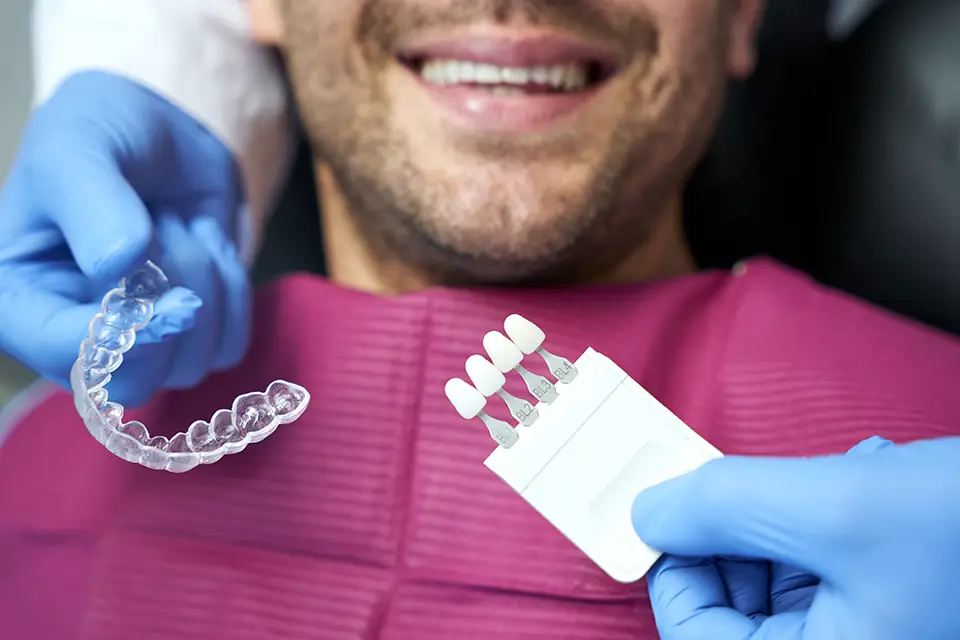
If you are weighing Invisalign vs veneers, decide what you need to change first. Invisalign aligners are built to move teeth, so they suit crowding, gaps, and mild bite concerns, provided you can wear them consistently and commit to wearing retainers. Dental veneers change what you see in the mirror by refining shape and colour, which helps with chips, uneven edges, and stubborn staining, but they do not correct tooth position. The best fit comes down to your bite, enamel, and how you want the result to hold up long term.
Why Invisalign vs Veneers Is Not a One-Size-Fits-All Choice
Choosing between Invisalign vs veneers is rarely a simple cosmetic pick, because these options solve different problems. If your main concern is crooked teeth, spacing, or a bite that feels off, clear aligners can improve how teeth line up and how your smile functions. If you are mostly focused on colour, chips, or uneven edges, porcelain veneers can reshape what shows when you talk and smile.
The smartest next step is to match the treatment to your teeth, not to a trend. At our dental clinic in Richmond Hill, a clinical exam checks enamel strength, gum health, and wear patterns, so your result looks natural, stays comfortable, and holds up long term.
Invisalign Overview: What Clear Aligners Can Fix
Clear aligners like Invisalign are built to change how teeth sit, not just how they look. In the Invisalign vs veneers decision, Invisalign usually makes sense when you are dealing with crowding or spacing, or when your bite feels slightly off, and you want a straighter smile without braces. It can also help even out the way upper and lower teeth meet in selected cases, after a proper exam.
Your plan is created from digital scans at Invisalign in Richmond Hill, then you move through a series of aligners that apply gentle, controlled pressure. Because they come out for meals, you can keep hygiene simple, but progress depends on consistent wear. After treatment, retainers are essential because teeth can drift back over time.
Veneers Overview: What Veneers Change and What They Cannot
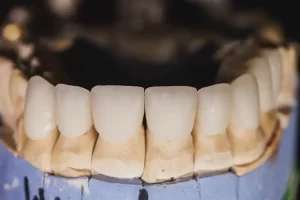
Veneers are thin porcelain or composite shells bonded to the front of your teeth to improve colour and shape in a very controlled way. They are often chosen when teeth are already reasonably aligned, but look uneven, chipped, worn, or permanently stained. Done well, veneers can also refine proportions and close small gaps so your smile looks more balanced and natural.
Veneers are not designed for true tooth movement or bite correction, which is a key point in Invisalign vs veneers. When we consider veneers in Richmond Hill, we check spacing, bite forces, and habits like grinding first, because those details affect comfort and longevity. A careful assessment also protects enamel and gum health before you commit.
Differences: Invisalign vs Veneers
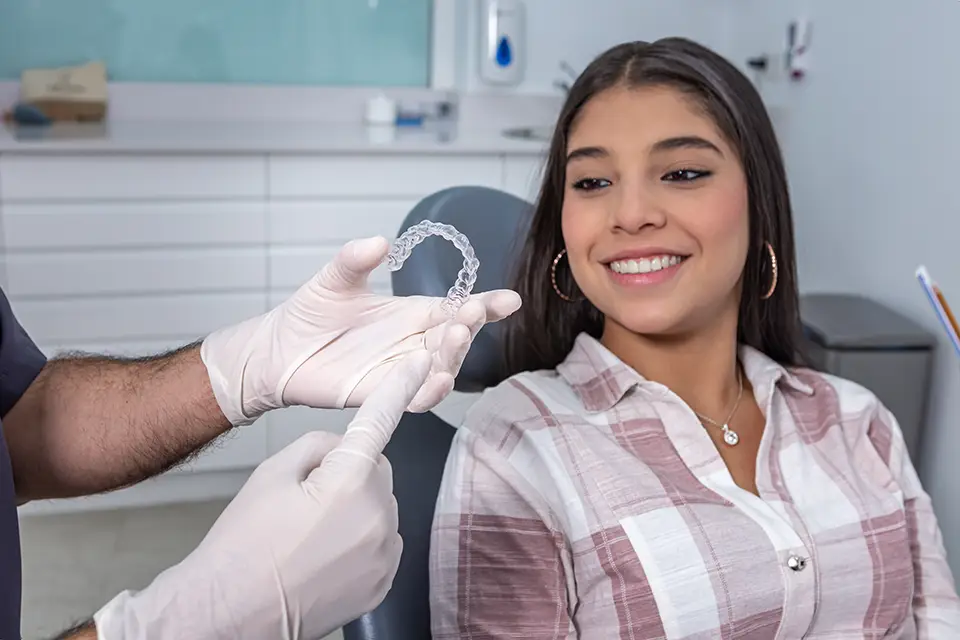
When patients ask about Invisalign vs veneers, the real difference is what is being treated and what you are committing to afterward.
- Goal: Invisalign changes tooth position and bite, while veneers change colour and shape on the visible front surface.
- Time frame: Invisalign takes time because teeth are being moved, and you will need a retainer. Veneers can deliver a faster cosmetic change once your teeth and gums are ready.
- Tooth structure: Aligners are typically low-impact on enamel. Veneers may involve minor enamel shaping, so they sit naturally.
- Aftercare: Invisalign depends on retainer wear to prevent shifting. Veneers depend on good hygiene and avoiding habits like grinding or chewing ice.
- Who it fits: Invisalign is for crowding and gaps. Veneers are for chips, worn edges, and deep staining.
Invisalign vs Veneers for Crooked Teeth, Gaps, and Stains
If your teeth look crooked, Invisalign vs veneers usually favours aligners, because they address tooth alignment instead of simply masking it. Small gaps can go either way. Invisalign closes spaces by moving teeth into better positions, while veneers can sometimes close minor gaps by adjusting shape, as long as the teeth will not look too wide. Stains need a quick diagnosis first. Whitening may lift surface staining, but veneers are often reserved for deep discolouration that does not improve reliably.
Your bite matters, too, because an uneven bite or grinding can shorten how long cosmetic work stays comfortable.
Invisalign Before Veneers: When a Combination Plan Makes Sense
A combined approach is common in Invisalign vs veneers planning, especially when teeth are slightly rotated, unevenly spaced, or hitting in a way that causes wear. Doing Invisalign first can create cleaner spacing and a more stable bite, so veneers can be kept more conservative and look more natural. It also reduces the temptation to “overbuild” veneers to camouflage crowding, which can feel bulky and harder to clean.
After alignment, veneers may be used on selected front teeth to refine shape and colour, creating a balanced smile without unnecessary tooth reduction.
Risks, Limitations, and How to Keep Results Looking Great
With Invisalign vs veneers, the biggest risk is choosing a solution that does not match your bite, enamel, or habits. Invisalign can fail to meet expectations if wear time is inconsistent, and teeth can drift without retainer compliance. Veneers can chip, stain at the margins, or feel “high” if the bite is not balanced, especially in people who clench or grind.
To keep results looking great, protect your investment with excellent oral hygiene, regular professional cleanings, and bite protection when needed, such as a night guard. Also, avoid chewing ice, pens, or hard candies, and report any new sensitivity or rough edges early.
Invisalign vs Veneers: Which Is Best for You?
When deciding on Invisalign vs veneers, start with the problem that affects you most day to day. If you want teeth that sit straighter, close gaps evenly, or meet more comfortably when you chew, clear aligners are usually the better fit because they address alignment at the source. If your teeth are already fairly straight but look uneven, chipped, or permanently discoloured, veneers for cosmetic dentistry can deliver a noticeable change in shape and shade with a carefully planned finish.
A consultation matters because your bite, enamel thickness, gum health, and grinding habits can shift the recommendation. In some cases, Invisalign first and veneers after is the safest way to get a natural look that lasts.
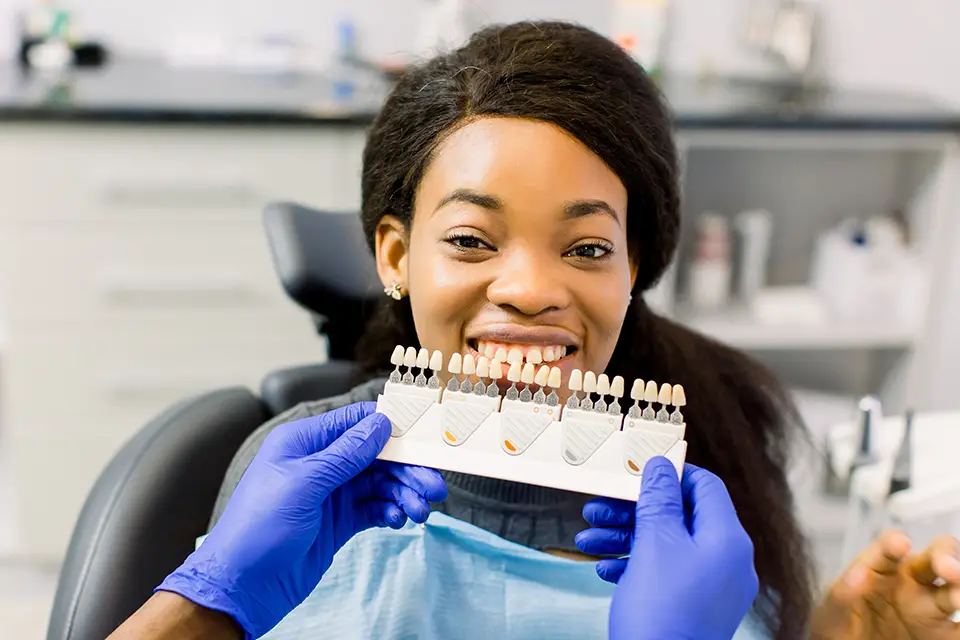
What to Expect at Your Richmond Hill Consultation
In a Richmond Hill consultation, we look beyond photos of “perfect smiles” and focus on what will work for your teeth. To guide the Invisalign vs veneers choice, we check gum health, enamel, bite contacts, and any signs of clenching or grinding, then review your scan or images together. You will leave with clear next steps, an expected timeline, and a realistic cost range based on your case, so you can make a decision that feels confident and practical.
Conclusion: The Best Choice Starts With a Dental Assessment
The smartest way to settle invisalign vs veneers is to base the decision on your teeth, not on a trend or a quick photo comparison. A proper assessment confirms what is driving your concerns, alignment, colour, wear, or bite, and helps you avoid investing in the wrong solution. With a personalized plan, you can choose a treatment that looks natural, stays comfortable, and protects long-term durability and oral health.
FAQs
Can veneers fix crooked teeth?
Veneers can improve appearance in mild cases, but they do not provide true orthodontic movement or correct bite alignment, which is central to Invisalign vs veneers decisions.
Do I need Invisalign before veneers?
If teeth are rotated, unevenly spaced, or wearing from a poor bite, Invisalign first can create better spacing and a more stable bite for veneers.
How do I maintain results?
Invisalign needs retainers, while veneers need excellent hygiene and protection from clenching habits and hard biting.