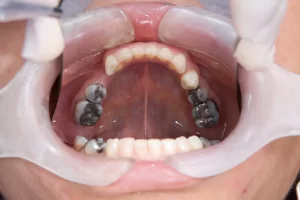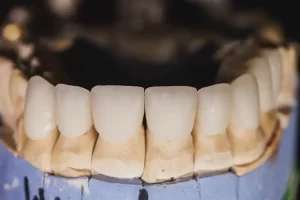

If you’re comparing veneers vs Lumineers, you’re likely trying to answer a few practical questions before you commit: Will they look natural up close? Will your teeth need to be reshaped? And what kind of care will keep the result looking great for years? Both options can improve colour, shape, and symmetry, but the best fit depends on your enamel, your bite, and whether you need subtle refinement or stronger stain coverage. A proper assessment should also account for clenching or grinding, since those forces can affect comfort and longevity.
If you’re looking for a dental clinic in Richmond Hill to walk you through the details, an in-person consultation is the safest starting point. In this guide, we explain veneers vs Lumineers in clear, clinical terms, preparation, thickness, durability, and realistic cost factors in Canada, so you can move forward with the right questions and confident expectations.
Veneers vs Lumineers: A Quick Comparison Before You Choose
Most people weighing veneers vs Lumineers are really asking one thing: will the finished teeth look slim and natural, or slightly “added on”? Lumineers are ultra-thin porcelain and can work well for small gaps or minor edge wear when your teeth already sit in a good position. Traditional porcelain veneers usually need a bit of enamel shaping, which gives the dentist more control over the final contour and shade.
Before you decide, think beyond the product name. If you clench or grind, protection matters. If you are trying to cover strong staining or reshape several teeth, ask which option will deliver the look you want without overbuilding the front surface.

Lumineers Overview (No-prep Veneers) And Who They Suit Best
Lumineers are a brand of no-prep veneers that use ultra-thin porcelain, so the dentist may be able to bond them with minimal enamel change when your teeth have enough natural space. In the veneers vs Lumineers conversation, they tend to suit people who want a lighter touch, for example, closing a small gap, smoothing a chipped edge, or evening out minor shape differences, without aiming for a major redesign.
They are not the best fit for every bite. If teeth are already forward, crowded, or if you bite edge to edge, even thin porcelain can feel thicker or look less seamless. During an exam, your dentist will check enamel, spacing, and bite, and discuss veneers in Richmond Hill as part of the plan.
Traditional Porcelain Veneers Overview And What They Fix Well
Traditional porcelain veneers are custom-made shells crafted for a precise fit, so the dentist can control colour, translucency, and edge shape tooth by tooth. In the veneers vs Lumineers decision, they are often the more reliable option when you need stronger stain coverage, for example, tetracycline discolouration, patchy whitening results, or older fillings that show through.
They are also excellent for shape and symmetry upgrades, such as restoring worn edges, evening out tooth lengths, or refining mild spacing issues. To keep the final profile looking natural, your dentist may recommend gentle enamel shaping so the veneer sits flush and does not feel overbuilt, particularly when several front teeth are being treated together.
Veneers vs Lumineers: Key Differences That Affect Your Result
When patients ask about veneers vs Lumineers, the answer usually comes down to what your teeth can comfortably support, not what sounds “easier.” These practical differences have the biggest impact on how the smile looks and feels.
- Thickness and profile: Lumineers are ultra-thin porcelain, but they still sit on top of the tooth. If there is not enough room, the result can look or feel slightly fuller.
- Prep and fit: Traditional veneers often use light enamel shaping to create space, which can help the edges blend and the bite feel normal.
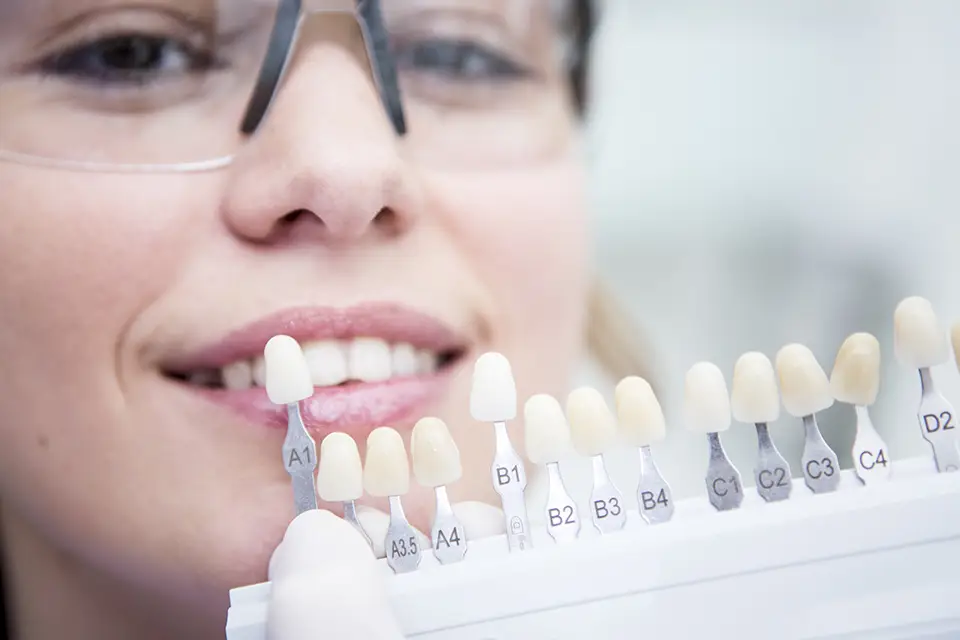
- Colour control: If you are covering darker stains, porcelain veneers typically provide stronger masking and more predictable shade matching.
- Bite forces: Clenching or grinding changes the plan. Ask about a night guard and bite checks to protect the investment.
Veneers vs Lumineers: Which Is Best for You?
The best way to decide on veneers vs Lumineers is to start with your goal, then work backwards from what your teeth can support. If your teeth are already in a good position and you mainly want small improvements, Lumineers can be a smart fit for a lighter touch. If you are trying to cover darker stains, reshape several teeth, or fix uneven edges, traditional porcelain veneers often give more control over colour and contour.
Before you choose, bring a couple of close-up photos of your smile and mention any grinding or jaw tension. Your dentist can check spacing, enamel strength, and bite contact, then recommend the option that looks natural and feels comfortable long term.
Cost In Canada: Veneers vs Lumineers
In Canada, the cost of veneers vs Lumineers is usually quoted per tooth. Many porcelain veneer cases fall roughly in the $900 to $2,500 range per tooth, but that number can move up or down based on how many teeth are treated and how much design work is needed. Lumineers pricing can be similar because the value is in the planning, lab craftsmanship, and precise bonding, not just thinness.
Your final fee depends on case complexity, bite adjustment needs, shade goals, and whether any prep or gum care is required first. A consultation is the only way to confirm accurate pricing for your smile.
How Long Do Veneers and Lumineers Last, and How Can You Protect Them
In real life, veneers vs Lumineers last as long as your bite and habits allow, not as long as a brochure suggests. When bonding is done well, and your gums stay healthy, porcelain veneers can hold up for many years, but chewing forces, grinding, and even nail biting can shorten that timeline. The biggest risk is small, repeated stress that slowly weakens an edge or loosens the bond.
The best protection is bite control. If you clench or grind, wear a night guard, especially during stressful periods. Use a soft toothbrush and a non-abrasive toothpaste, and skip hard biting habits like ice, pens, or cracking nuts with your front teeth. Keep regular checkups so minor wear is handled early.
Conclusion: The Safest Way to Decide Between Veneers vs Lumineers
The safest way to choose veneers vs Lumineers is to make it a clinical decision, not a trend decision. Ask for a bite check, enamel assessment, and a clear plan for contour and shade, because those details determine whether the result looks natural and feels comfortable. A good consultation also flags grinding, gum concerns, and spacing limits before you invest.
To get a personalized recommendation, book a visit at North Hill Dental, 9993 Yonge St, Richmond Hill, ON L4C 1T9. You will leave with realistic options, transparent pricing factors, and a plan you can trust.
FAQs
Can veneers vs Lumineers fix crooked teeth without braces?
They can camouflage minor alignment issues, but significant crowding or bite problems may need orthodontics first for a healthier, longer-lasting result.
Do Lumineers feel bulky or change my bite?
They can if there is not enough space on the front of the teeth. A dentist checks bite contact and spacing to keep the profile natural.
Will veneers stain or chip easily?
Porcelain resists staining well, but edges can chip with grinding. Protect them with night guard use and regular checkups.