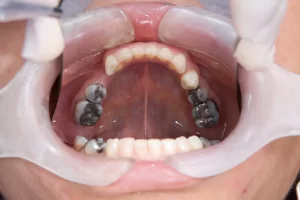
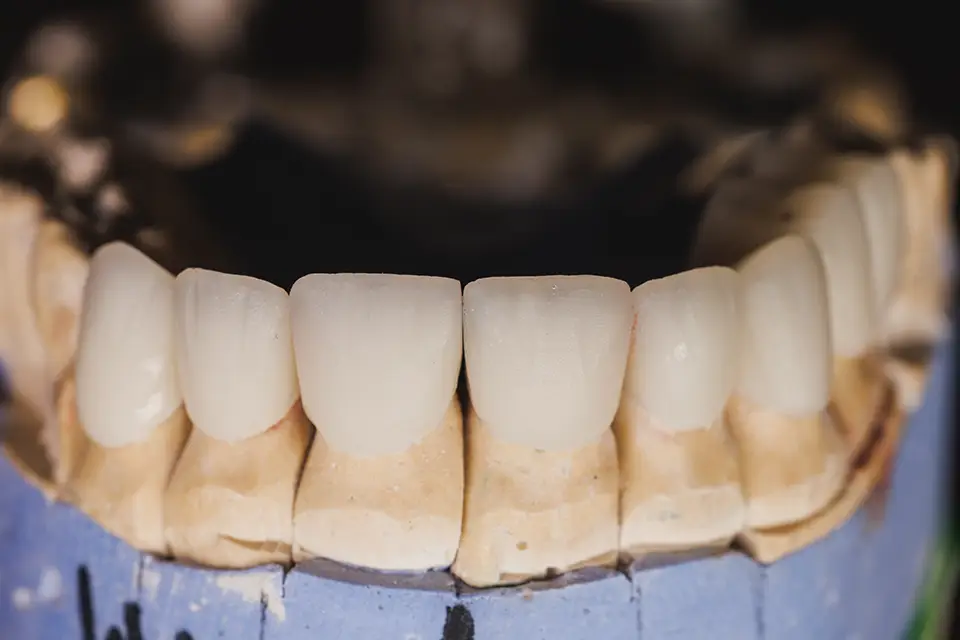
Choosing between veneers and crowns is easiest when you start with the real problem you want to solve, not just the look of the final smile. If you are weighing veneers vs crowns, ask whether your tooth mainly needs cosmetic refinement, such as colour correction or minor reshaping, or whether it needs full protection because it is cracked, heavily filled, or weakened. A careful exam checks enamel strength, gum health, and bite forces, because those factors affect long-term comfort and durability.
To make a confident decision, bring specific concerns to your consultation, such as sensitivity, past repairs, clenching, or a front-tooth chip that keeps returning. In a trusted dental clinic in Richmond Hill, your dentist can compare options with photos, X-rays if needed, and a clear plan that supports natural aesthetics and long-lasting results.
Veneers Overview: Best for Cosmetic Changes on Front Teeth
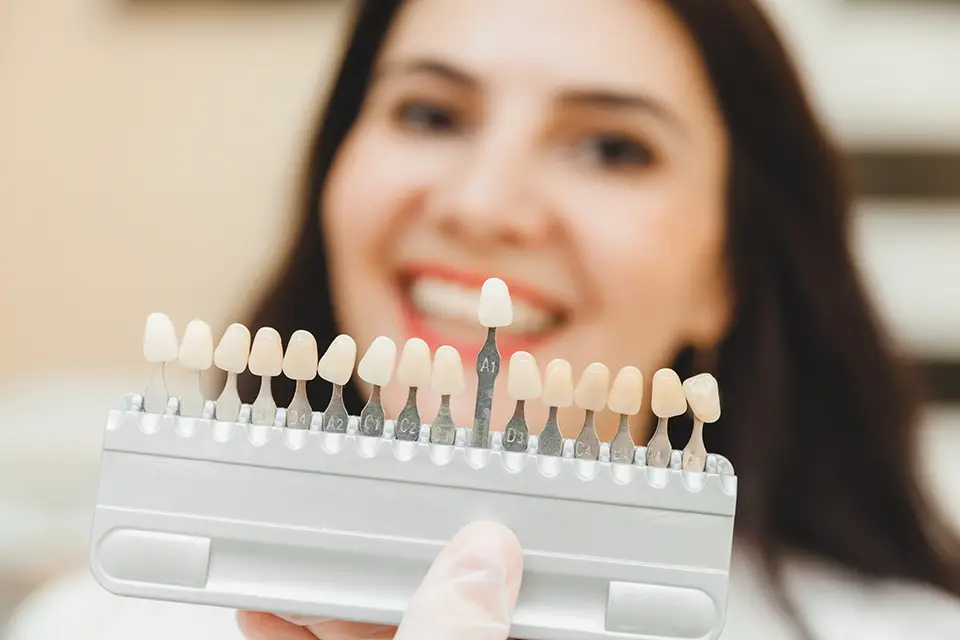
Veneers are thin, custom shells bonded to the front of your teeth to improve colour, shape, and symmetry, which is why they are commonly chosen for the smile zone. When you are comparing veneers vs crowns, veneers are often the better match when the tooth itself is strong, but the surface look is not, such as a small chip, stubborn staining, mild spacing, or slightly uneven edges. Because the bond works best on healthy enamel, your dentist will check how much enamel is available and whether clenching or grinding could stress the edges.
If you are looking into veneers in Richmond Hill, it helps to ask about shade selection, bite adjustment, and how the margins are finished, because those details affect natural appearance and long-term reliability.
Crowns Overview: Full Coverage Protection for Weak or Damaged Teeth
A crown is a full-coverage restoration that fits over the entire tooth to bring back strength, shape, and comfortable chewing. In a veneers vs crowns decision, a crown is often the practical option when the tooth has a deep crack, a large old filling, heavy wear, or has been weakened after root canal treatment. Wrapping the tooth helps prevent the kind of small fractures that can turn into a bigger break later.
The best results come from careful planning, not guesswork. Your dentist will check the tooth’s remaining structure, the health of the surrounding gum, and how your bite loads that area, then fine-tune the fit so it feels natural day to day. If you are exploring crowns in Richmond Hill, ask how the team protects bite comfort and long-term support for that tooth.
Veneers vs Crowns: Key Differences Patients Should Know
If you are deciding between veneers vs crowns, start with one practical question: are you trying to improve how a tooth looks, or are you trying to keep a weakened tooth from breaking again? Both can be very natural-looking, but they behave differently once you start chewing, clenching, and living your normal routine.
- Coverage: Veneers sit on the front surface. Crowns cover the whole tooth for full coverage.
- Best use: Veneers suit teeth that are generally healthy but need cosmetic correction, like uneven edges or stubborn staining. Crowns suit teeth with cracks, large fillings, or major wear.
- Preparation: Veneers often require less shaping when there is solid enamel. Crowns usually need more reduction to create a secure fit all the way around.
- Strength and predictability: If the tooth has limited enamel or keeps chipping, a crown can be a more predictable way to protect it under biting pressure.
- Patient check: Ask your dentist to show you where the damage sits and how your bite loads that tooth, because those two details often decide the safest option.
Veneers vs Crowns Cost in Ontario: What to Expect
In Ontario, the cost question in a veneers vs crowns decision is rarely a simple “one is cheaper” answer. Fees are typically per tooth, but they shift with the material you choose, how much healthy structure is left, and whether the tooth needs extra reinforcement before it is restored. A common general range is about $1,000 to $2,500+ per tooth, yet your exact total can only be confirmed after an exam and treatment plan that protects your bite and your budget.
Veneers vs Crowns: Which Option Is Best for You?
A good way to decide in a veneers vs crowns situation is to think about what you want to prevent. If the tooth is healthy but looks wrong, such as a small chip, uneven edge, or stubborn staining, veneers may be enough. If you are worried about the tooth breaking again, or you have a large filling, visible crack lines, or heavy wear, a crown often gives more reliable protection.
During your visit, ask your dentist to show you where the weak points are and how your bite hits that tooth, because those details guide the safest choice. The goal is everyday comfort and predictable longevity.

Conclusion: Book a Consultation for a Personalized Treatment Plan
If you are still weighing veneers vs crowns, the safest next step is a targeted assessment that looks beyond the surface. A dentist can confirm whether your tooth needs cosmetic refinement, full coverage protection, or bite support to reduce future chipping and sensitivity. That clarity matters because the “best-looking” option is not always the most durable one for your specific tooth.
Book a consultation at North Hill Dental with Dr. Nasser Jafari & Associates at 9993 Yonge St, Richmond Hill, to review your smile goals and the condition of each tooth. You will leave with a clear recommendation and a personalized plan built for long-term comfort and confidence.
FAQs
Can veneers and crowns look the same on front teeth?
Yes, both can be designed to match your natural smile, but the right choice depends on tooth condition. In a veneers vs crowns decision, veneers suit teeth that are mostly healthy, while crowns are often better when a tooth is weakened or heavily restored. Shade matching and edge contouring make the difference in how natural the result looks.
Will veneers or crowns feel bulky or change my speech?
They should not feel bulky when planned properly. Your dentist checks bite contacts and the way your tongue meets the back of the teeth, then adjusts the final shape so that everyday talking and chewing feel normal. Bite adjustment and smooth polishing are key to comfort.
Do veneers or crowns cause sensitivity?
Some short-term sensitivity can happen, especially to cold, but it is usually temporary. If sensitivity is persistent, it may indicate bite pressure, gum recession, or another issue that needs review. Tooth preparation and proper sealing help reduce risk.
How do I protect my results if I grind my teeth?
Grinding is one of the biggest reasons restorations chip or wear early. Ask about a custom night guard and avoid biting hard items like ice or pens. For many patients, comparing veneers vs crowns, night protection, and habit control matter as much as the material.