If your tooth has started reacting to cold water, or you feel a rough edge when you floss, it is easy to wonder whether you can ignore it for now. The tricky part is that a filling can weaken quietly, long before it becomes obvious pain. When you are thinking about replacing old dental fillings, the real question is whether the seal is still tight and whether the tooth underneath is staying healthy.
In the chair, your dentist looks for early leakage, hairline cracks, and decay that can hide under the edges, then checks your bite for pressure points that can shorten a filling’s life. This careful assessment helps you avoid guesswork. If replacing old dental fillings is recommended, you should leave with a clear plan, practical aftercare advice, and a timeline that fits your needs, not a rushed decision.
Why Fillings Don't Last Forever (and What "Failure" Means)
Fillings handle constant chewing pressure, temperature changes from hot and cold foods, and everyday wear at the edges. Over time, bonding can weaken, and tiny gaps may form, especially on back teeth that take heavier bite forces. When dentists talk about filling failure, they usually mean the seal is no longer protecting the tooth, not that the filling simply looks old.
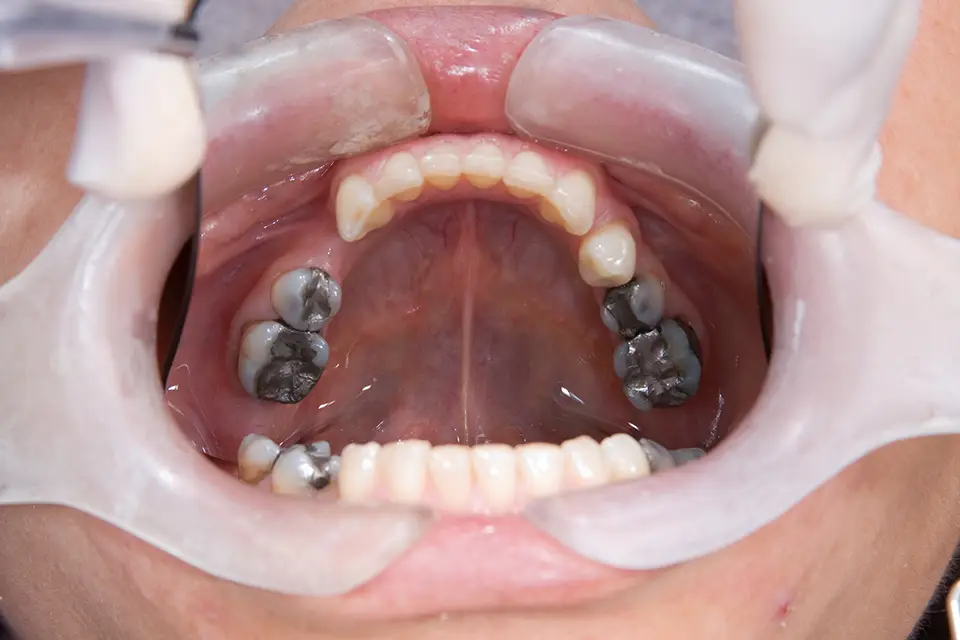
A “failed” filling can involve micro leakage, a chip or crack, or new decay starting beside or underneath it. In those cases, replacing old dental fillings helps restore a tight seal, reduce sensitivity, and prevent a small problem from turning into a larger repair.
9 Signs You May Need to Replace Old Dental Fillings

Small changes can be easy to dismiss, but they often show when a filling is no longer sealing the tooth properly. If you notice any of the signs below, an exam can confirm whether a repair is enough or if replacing old dental fillings is the safer choice.
- New or worsening cold sensitivity, especially around one tooth
- Pain on biting or chewing, a common sign of bite pressure or a crack
- A rough edge that catches floss, or floss that keeps shredding
- Food packing beside the filling, even after careful brushing
- A dark line or staining at the margin that may suggest leakage
- A filling that feels loose or raised, or a bite that suddenly feels high
- A chipped corner, visible gap, or sharp spot you can feel with your tongue
- Gum irritation or bleeding next to the filled tooth without another clear cause
- A filling that falls out, or sudden tenderness after it breaks
Catching these early can reduce the chance of deeper decay and keep the replacement of old dental fillings simple and conservative.
What Happens If You Delay Replacing Old Dental Fillings?
Putting it off can feel reasonable if the tooth only twinges now and then, but small gaps around a filling rarely stay stable. As the seal weakens, bacteria can slip in and cause recurrent decay under the restoration, which often cannot be cleaned without removing it. That is why replacing old dental fillings is usually simpler when done early.
Delay also increases the chance that a minor edge crack becomes a deeper fracture, especially on molars under heavy chewing forces. If the crack reaches the nerve, you may need root canal treatment or a crown instead of a straightforward replacement. Timely replacement of old dental fillings helps protect the tooth structure and keeps treatment options more conservative.
Repair vs Replacing Old Dental Fillings: How Dentists Decide
Dentists decide between repair and replacement by looking at the filling’s edge seal and the health of the tooth around it. A small chip or worn corner may be repaired if there is no leakage, no new decay on X-rays, and the bite is stable. If there is recurrent decay, a crack, a loose margin, or repeated breakage, replacing old dental fillings is usually the safer option because it restores a full seal.
Your dentist will also consider the size of the original filling, the tooth’s chewing load, and whether you grind at night. When replacement of old dental fillings is recommended, you should receive a clear explanation of the findings and a plan that protects tooth structure for the long term.
What to Expect at a Filling Replacement Visit?
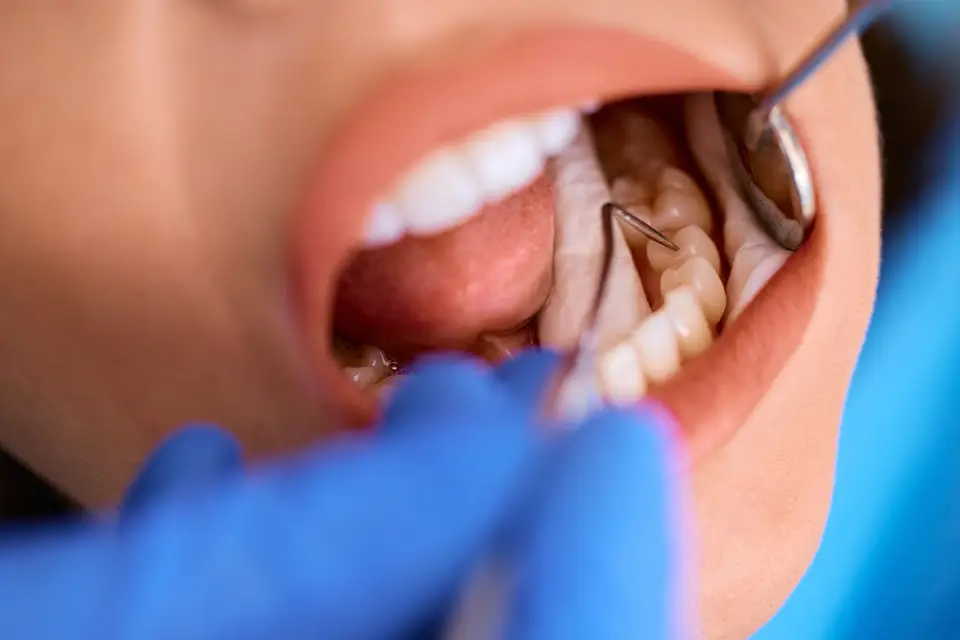
Most replacement visits are straightforward, and the appointment usually starts with a quick check to confirm exactly what has changed since your last exam. Your dentist may take an X-ray, then ask you to bite on a thin paper strip to see where the pressure points are. Once the area is numb, the old filling is lifted out, the tooth is cleaned, and the new material is placed in layers and shaped so it feels natural when you close.
The final steps are practical ones. The bite is adjusted, the surface is smoothed, and you will be told what is normal to feel later that day. After replacing old dental fillings, a little sensitivity can happen, but persistent bite discomfort or sharp pain is a reason to call for a quick recheck.
Cost in Ontario (General Range + Why It Varies)
In Ontario, a simple filling replacement typically falls within a few hundred dollars, depending on complexity, but the exact fee varies. The cost depends on the tooth location, the size of the old filling, the material chosen, and whether decay or cracks are found once the filling is removed. If replacing old dental fillings is recommended, your dentist can provide a written estimate after a proper exam and X-rays.
How to Make Fillings Last Longer After Replacing Old Dental Fillings
To help a new filling hold up, treat it like part of the tooth, not a patch you can forget about. Brush with fluoride morning and night, and take a few extra seconds to floss along the gumline where the edges meet, because that is where leakage often starts. If you snack often on sweets or sip acidic drinks, try to keep those to set times instead of grazing all day.
If you grind or clench, a night guard can take the pressure off your back teeth and protect the margins. After replacing old dental fillings, stay consistent with checkups so your dentist can spot early wear and adjust bite pressure before trouble returns.
When to Book at North Hill Dental (Richmond Hill)
If a tooth has started reacting to cold, you feel a sharp edge when you floss, or chewing on one side suddenly feels tender, do not wait for it to become constant pain. A loose or missing filling can let bacteria and food pack into the area, and cracks can spread under normal biting forces. At North Hill Dental in Richmond Hill, we can check the tooth, review X-rays when appropriate, and tell you whether replacing old dental fillings is the right step or if a smaller fix will restore a tight seal and a steady bite.
FAQs
How long do fillings usually last?
Lifespan varies by material, tooth location, and bite force, so checkups matter. If edges wear or staining appears, your dentist can assess whether replacement of old dental fillings is needed to maintain a tight seal.
Does replacing a filling hurt?
The tooth is numbed, so treatment is typically comfortable. Mild sensitivity after is common, but sharp pain or a high bite should be checked to protect the tooth nerve and bite balance.
Can I replace a filling even if I have no pain?
Yes. Leakage and recurrent decay can be silent, so replacing old dental fillings may be recommended based on X-rays and clinical findings, not symptoms alone.