
Fluoride is still one of the simplest, most evidence-backed ways to lower cavity risk because it helps strengthen enamel and protect the spots where plaque likes to hide. If you are comparing cavity prevention options, think about your day-to-day habits first, such as frequent snacking, braces, dry mouth, or a recent history of fillings. This is where the different types of fluoride treatment can make a meaningful difference.
Even if you use fluoride toothpaste, a targeted in-office application can add extra protection to deep grooves and newly erupted molars. A quick visit to a dental clinic in Richmond Hill helps your dentist match the right professional fluoride approach to your age and risk level, so you get a personalized plan that fits your routine.
Different Types of Fluoride Treatment
If you are looking into types of fluoride treatment, you are probably trying to avoid the same cycle: a “small spot” turning into another filling. The good news is that fluoride options are not one-size-fits-all. Some are designed for a quick, high-impact boost during a dental visit, while others support prevention at home when cavities tend to show up between checkups. The best match depends on how often you have had decay, how easy it is for you to clean thoroughly, and whether dry mouth or braces are part of the picture.
Fluoride varnish
Varnish is brushed onto the teeth and sets fast, which is why it is widely used for children and for patients who want a comfortable appointment. It provides targeted coverage on deep grooves and near the gumline, where early weakening often starts. Among common types of fluoride treatment, varnish is a practical pick when you need quick protection with minimal chair time.
Fluoride gel
Fluoride gel is usually applied with trays for a short, controlled exposure, allowing it to reach many surfaces at once. Dentists often recommend it for people with repeated cavities, sensitivity, or a higher risk due to diet and orthodontic appliances. Types of fluoride treatment, like gel, can be helpful when the goal is broader enamel support across multiple teeth, not just one spot.
Fluoride foam
Foam is also tray-based, but it uses less material and can feel lighter in the mouth. It may be chosen when efficiency matters or when a gentler application still fits your prevention plan. This is one of the types of fluoride treatment that can deliver efficient care while keeping comfort front and centre.
Fluoride rinses
Rinses are used at home and can be a smart add-on for teens with braces and adults who are prone to decay. The key is using the right product and routine, because not every rinse is meant for every age group. For a deeper look at how home and in-office options work together, see fluoride treatment.
At-home fluoride options
Daily fluoride toothpaste does most of the heavy lifting for many families, and some patients may benefit from prescription-strength products when cavity risk is higher. When you choose types of fluoride treatment with your dentist, you are more likely to get the right strength at the right frequency, which is what prevention really comes down to.
Professional vs At-Home Fluoride: What's the Real Difference?
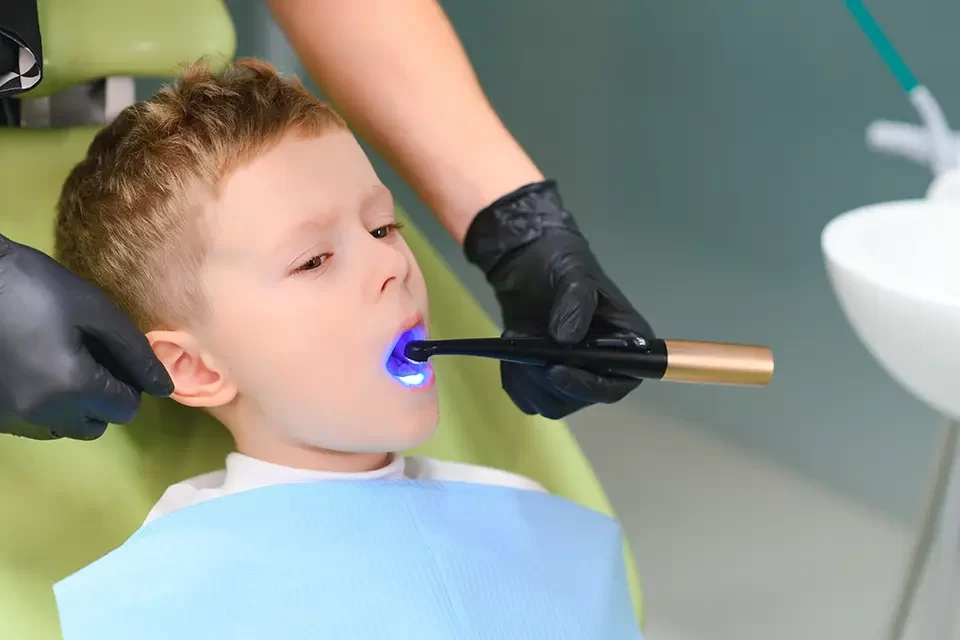
Professional fluoride is done in the clinic, with the strength and format chosen around your risk level, not a generic routine. If you have repeated cavities, braces, dry mouth, or early white spots, your dentist can place fluoride exactly where enamel tends to break down, giving targeted enamel support when it matters most. This is also where the right types of fluoride treatment can be selected based on what your teeth actually show during an exam.
At-home fluoride works best when it is steady and correct, not occasional. Fluoridated toothpaste does the daily maintenance, and a dentist may add a rinse or prescription fluoride product if your cavity risk is higher. In practice, the choice is rarely “either or.” Many patients do best with professional fluoride care plus consistent home protection, so prevention keeps working between visits.
Which Type of Fluoride Treatment Is Best for You?
There is no single “best” option among types of fluoride treatment, because the right choice depends on how your teeth behave in real life. Age matters, but so does cavity pattern, diet, saliva flow, and what your dentist sees at the checkup. The goal is simple: choose types of fluoride treatment that strengthen enamel in the places you are most likely to lose it, so you get smarter prevention and fewer surprises.
Use this quick checklist before your next visit:
- If you have had a recent filling, ask whether professional fluoride is recommended for your risk level.
- If you have braces or aligners, plan for extra protection on hard-to-clean surfaces where plaque collects.
- If you have dry mouth from medications, dehydration, or mouth breathing, you may need more frequent fluoride support.
- If you notice cold sensitivity or faint white spots, fluoride can help reinforce early weakened enamel.
- If you have gum recession, fluoride may help protect exposed root areas that can decay faster.
A dentist’s recommendation ties the product and the frequency to your risk, so you are not overdoing it or missing what you actually need.
How Often Should You Get Fluoride Treatment?
Fluoride timing should follow your risk level, not a calendar rule. If you go years without cavities and your brushing is consistent, your dentist may simply add fluoride during regular checkups. If you have had recent decay, braces, dry mouth, sensitivity, or gum recession, the dentist may recommend a more frequent fluoride plan to keep weak areas protected. In those cases, choosing the right types of fluoride treatment can make prevention feel more reliable, not more complicated.
A useful way to decide is to look back at the last 12 to 24 months and ask, “Have I needed new fillings, or have problems kept returning?” That answer helps your dentist set the right frequency and recommend professional fluoride plus home protection that fits your routine.
Is Fluoride Treatment Safe? What Parents and Adults Worry About Most?
Fluoride treatment is considered safe when it is used correctly and tailored to age and risk. Most concerns come down to swallowing fluoride products, especially in younger children, which is why dentists focus on the right dose and supervised routines. Professional applications are placed on the teeth, not swallowed, and your dentist will choose the safest option from the types of fluoride treatment based on your child’s ability to spit and their cavity risk.
Adults often worry about “too much fluoride” or sensitivity. A clinical plan uses targeted prevention and the appropriate frequency, so you get protection without unnecessary exposure.
What to Do After Fluoride Treatment
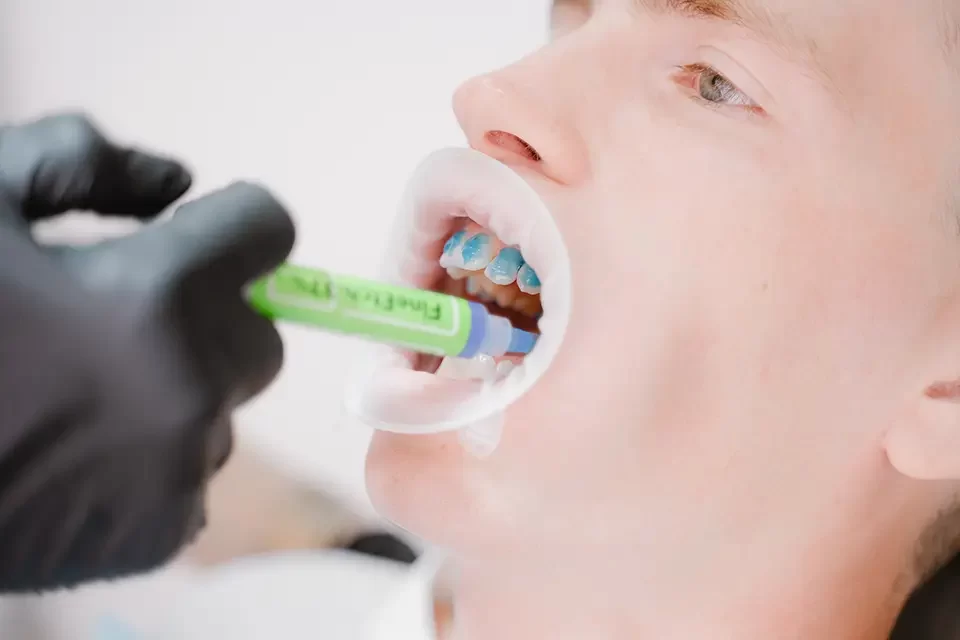
Right after fluoride treatment, the goal is to let the fluoride stay on your teeth long enough to do its job.
- Ask your dentist when you can eat, drink, and brush, since instructions vary by fluoride varnish and product type.
- Stick with soft foods for a bit, and avoid very hot drinks if your teeth feel sensitive.
- Brush gently later, and keep using fluoride toothpaste unless you were told otherwise.
- If something feels off, call for clear guidance instead of trying to troubleshoot alone.
Conclusion: Choosing the Right Fluoride Option Protects Your Smile Long-Term
Picking the right types of Fluoride Treatment is less about trends and more about what your teeth need right now. When the product and timing match your risk level, you get stronger enamel and fewer “surprise” cavities over time. For a clear recommendation, book a visit to North Hill Dental in Richmond Hill.
FAQs
How long does fluoride varnish last?
It keeps working for hours after application, but your daily brushing habits and cavity risk determine the long-term benefit.
Is fluoride varnish better than gel or foam?
It depends on age, comfort, and risk level. A dentist chooses among types of fluoride treatment based on what will protect your enamel best.
Can adults benefit from fluoride treatment?
Yes, especially with dry mouth, sensitivity, or gum recession, because fluoride supports enamel strength and helps lower decay risk.