If you’re comparing dental plates vs implants, you’re already asking the right question: which option will protect health, restore function, and feel natural day to day? At North Hill Dental in Richmond Hill, Ontario, we help patients weigh dental plates vs implants using clear criteria—bone health, comfort expectations, long-term maintenance, and budget—so the choice fits your mouth and your life, not a general rule.
What Each Option Really Means
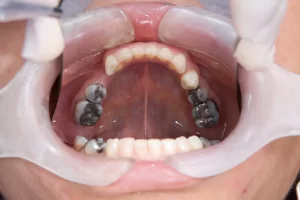
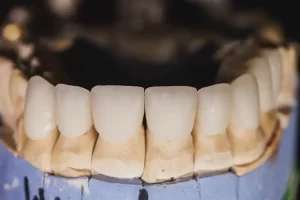
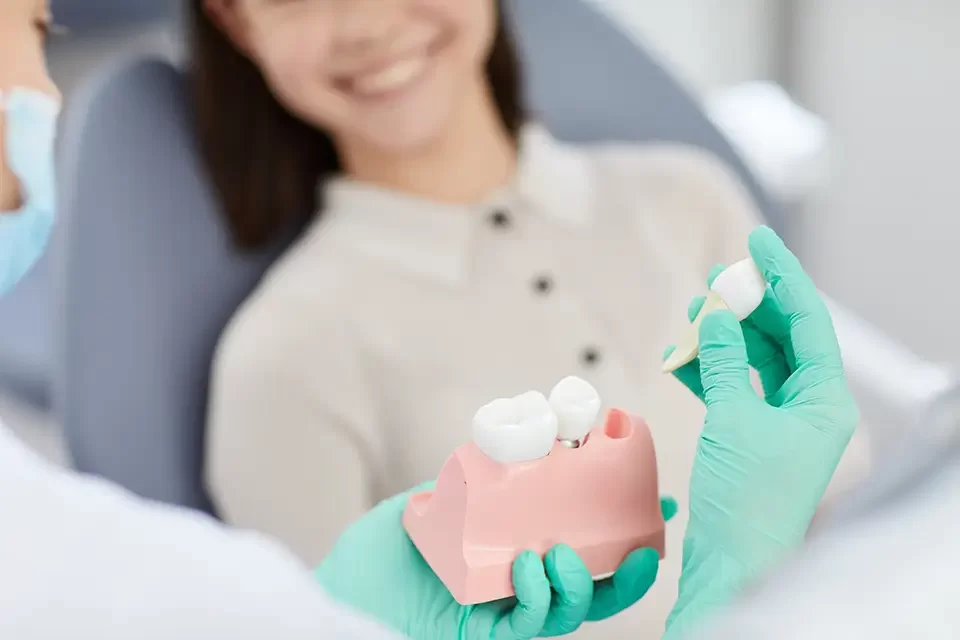
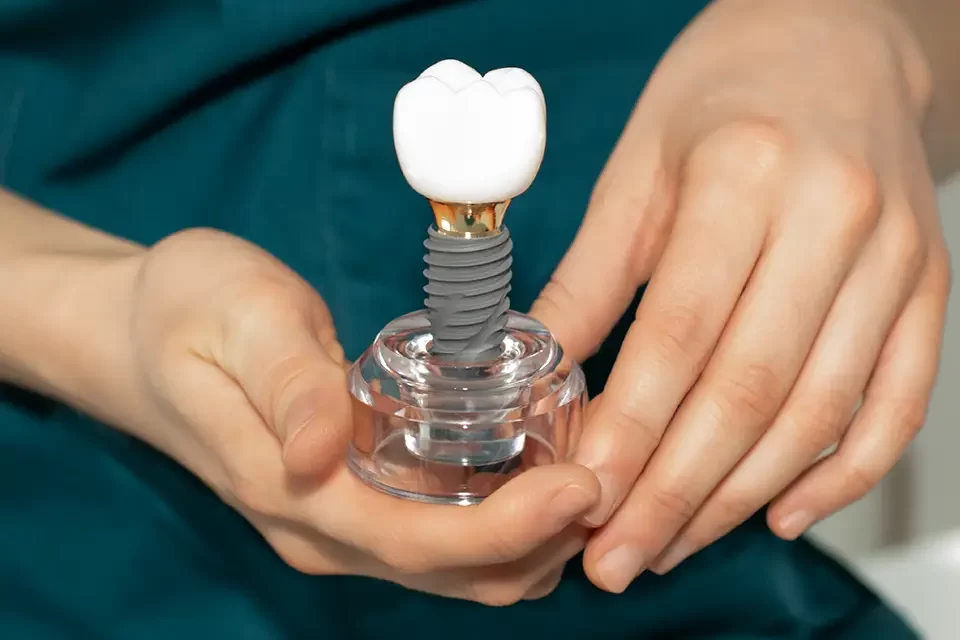
Dental plates (complete or partial dentures) are removable prostheses that replace several or all teeth in an arch. They restore appearance quickly and can be adjusted over time. Dental implants are small biocompatible posts placed in the jawbone that support single crowns, bridges, or an implant-retained denture. The implant acts like an artificial root, creating a stable foundation that helps protect the jaw from bone loss over time.
This foundation is the defining clinical difference in dental plates vs implants: one rests on gums, the other integrates with bone.
Dental Plates vs Implants: Candidacy and Oral Health Factors
Before timelines and costs, we assess suitability—because biology sets the boundaries.
- Bone Preservation: Implants stimulate bone where they’re placed; dentures do not, so the ridge can remodel over time. For many patients, this is the tipping point in dental plates vs implants.
- Gum Health: Any active inflammation must be treated first. Healthy tissue supports a more comfortable denture fit and better implant healing.
- Medical Considerations: Certain medications, smoking, and systemic conditions can influence healing. We factor these into your plan.
- Bite and Speech Needs: If you need maximum stability for public speaking or demanding chewing, implants (even a small number) can improve retention dramatically.
- Tolerance for Removable Appliances: Some patients do well with plates; others prefer a fixed solution.
Treatment Timelines: What to Expect from Start to Finish
- Dentures (Dental Plates): Impressions, try-ins, and delivery can be completed in weeks. Expect follow-up adjustments as your tissues settle.
- Implants: From placement to final restoration typically spans several months to allow integration. Interim solutions maintain appearance during healing. A hybrid path—implant-retained plates—often blends speed and stability.
A candid timeline discussion keeps dental plates vs implants grounded in your calendar, not just clinical ideals.
Dental Plates vs Implants: Everyday Comfort and Function
- Stability & Chewing: Implants anchor the bite; many patients report a return to confident chewing and fewer dietary limits. Plates can perform well, but lower dentures are more prone to movement without implants.
- Speech & Fit: Denture fit relies on suction, muscle control, and ridge shape; minor lisps can occur until adaptation. Implant-supported options reduce bulk and improve phonetics for many.
- Aesthetics: Both options can look excellent. Implants allow thinner, more natural contours; dentures can be crafted to flatter lips and facial support.
- Maintenance: Plates are removed nightly for cleaning and tissue rest. Implants are brushed and flossed (with specific tools) like teeth. Your comfort with either routine matters in the dental plates vs implants decision.
Costs, Coverage, and Long-Term Value
Upfront fees differ—and so do long-term patterns.
- Dental Plates: Typically, lower initial cost. Expect periodic relines or remakes as the ridge remodels, especially in the first few years. Adhesives and adjustments are part of ongoing care.
- Implants: Higher initial investment (surgical placement plus restorations). The trade-off is durability and bone support, which can reduce remakes over time. Even two to four implants beneath a denture can transform comfort and cut adhesive use dramatically.
Insurance often contributes to dentures and to portions of implant restoration; surgical coverage varies. We provide itemized estimates so the economics of dental plates vs implants are transparent—not a surprise later.
Dental Plates vs Implants: Durability and Bone Health
Implants load the bone, helping maintain volume in the areas restored. That stability supports facial contours and bite height long-term. Plates do not load bone directly; as the ridge changes, retention can decline. For many patients, this clinical reality is decisive when mapping dental plates vs implants—especially in the lower jaw.
Hybrid Options: When "Both" Is the Better Answer
You don’t have to choose all-or-nothing. Two implants with a locator-retained lower denture can dramatically improve stability. Four implants can support a slimmer upper plate that leaves the palate uncovered—enhancing taste and speech. These blended plans often balance cost, comfort, and care in the dental plates vs implants conversation.
How North Hill Dental Guides the Decision
- Comprehensive Assessment: 3D imaging, gum evaluation, bite analysis, and photos to understand the full picture.
- Scenario Planning: We outline two or three clear pathways—plate-only, implant-assisted plate, or fixed implant restorations—with timelines and maintenance.
- Try-In and Aesthetics: For plates, we stage try-ins to refine tooth position and smile line. For implants, we preview tooth length and contours before finalization.
- Follow-Through: Long-term reviews protect whatever choice you make—adjusting plates as tissues change, or monitoring implants and hygiene so they serve comfortably for years.
Clear steps and honest trade-offs make dental plates vs implants a confident choice—not a gamble.
Final Word
Choosing between dental plates vs implants is ultimately about fit—clinical fit, lifestyle fit, and financial fit. Some patients value a quick, removable solution; others prioritize bone health and fixed stability. At North Hill Dental in Richmond Hill, we’ll map your options clearly, show you how each would look and feel, and help you move forward with a plan you trust. If you’re ready to compare dental plates vs implants side by side, book a consultation—we’ll make the path forward straightforward from the first visit.
FAQs — Dental Plates vs Implants
Are implants always "better" than dental plates?
Not always. Implants offer bone support and stability, but medical history, bone volume, and budget matter. For some, well-made plates are appropriate; for others, even two implants under a denture change everything. The best dental plates vs implants answer is individualized.
Can I start with plates and add implants later?
Yes. Many patients begin with dentures, then place implants to improve retention. Planning plate design with future implants in mind makes the transition smoother.
How long do results last?
Quality dentures typically serve for years, but expect relines or remakes as the ridge remodels. Well-maintained implants can last decades; attached crowns or dentures may need replacement or maintenance over time. Good hygiene is essential in both paths.