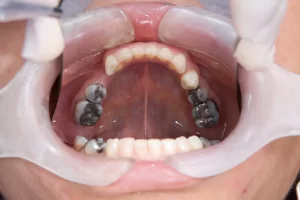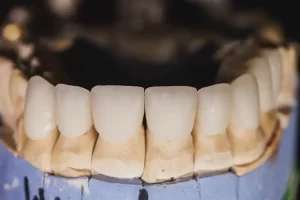

When a twinge shows up with cold water or floss keeps catching on one tooth, the question many people ask is, “What causes dental fillings to fail?” It’s a good question, because small changes at the edge of a filling are usually the first hint that something’s off. At North Hill Dental in Richmond Hill, we see the same patterns: wear, tiny gaps at the margin, bite stress, or new decay sneaking underneath older work. Understanding “What causes dental fillings to fail?” helps you act early—before a quick fix turns into a bigger treatment plan.
What Causes Dental Fillings to Fail?: The Short Version
Filings live a hard life. Hot coffee, cold water, years of chewing, and a steady film of bacteria all push on the same edges. Over time, three things tend to happen when asking “What causes dental fillings to fail?”:
- Micro-gaps form at the margins. Materials and enamel expand and contract at different rates; a hairline opening can let bacteria in.
- Bite forces chip or stress the edge. Night grinding or a “high spot” loads one corner until it fractures.
- New decay starts at the border. Plaque sitting at the edge of a restoration is the most common starting point for recurrent decay.
None of this means your filling was “bad.” It means the mouth is dynamic, and margins need maintenance over the years.
Five Clear Signs It's Time to Book
Early attention keeps treatment simple and cost-sensible.
- Cold or sweet sensitivity that lingers. A few seconds is fine; longer often means the seal is compromised.
- Your tongue finds a notch. A chipped edge or rough margin is your first tactile clue.
- A dark outline at the filling. A stain can be harmless, but a shadow tracking under an edge needs a look.
- Food packing where it didn’t before. A loosened contact invites decay—and irritation.
- Bite feels “high” or different. An extra load can crack the edge or the tooth itself over time.
What Causes Dental Fillings to Fail? The Everyday Mechanics
Let’s name the usual suspects—plainly:
- Thermal swing: Heat and cold make enamel and filling materials move differently, opening micro-gaps.
- Parafunction (clenching/grinding): Repeated force on one margin leads to micro-fractures or a small corner chip.
- Aging materials: Composite loses polish and picks up stains; amalgam edges can corrode slightly. Both are normal aging, not “mistakes.”
- Older bonding protocols: Newer adhesives and strict isolation (rubber dam) create tighter, longer-lasting margins than methods used many years ago.
- Dry mouth and diet: Less saliva + frequent sugar hits = more acid, more plaque, more risk at the edges.
Prevention: Small Habits, Big Payoff
Most failures start at the margin, so protect the margin.
- Clean where it counts. Daily brushing plus interdental cleaning (floss, picks, or a water flosser) keeps biofilm off edges.
- Tame sugar frequency. Fewer acid “attacks” each day helps those edges stay sound.
- Use fluoride consistently. Regular toothpaste is good; prescription gels are helpful for high-risk mouths.
- Manage the bite. A custom nightguard spreads force and protects vulnerable corners if you clench or grind.
- Don’t skip bitewings. Targeted X-rays catch under-edge decay before you feel it.
What Causes Dental Fillings to Fail?: Repair Options (and What People Usually Spend)
Once a margin fails, the fix depends on how much tooth is still strong after we remove the weak or decayed portion. These are typical Ontario-style estimates—your tooth, complexity, and materials will set the actual fee:
- Small replacement composite (tight, clean margins; strong tooth): $200–$350.
- Medium/large composite or bonded onlay (wider area or heavier bite): $450–$900 for direct/indirect composite; lab ceramics can be higher.
- Full-coverage crown (cracks or missing structure): $1,100–$1,600, depending on material and lab.
- Root canal + crown (if decay reaches the nerve or a crack is deep): $1,000–$1,800 for endodontic care (tooth-dependent) plus
Those ranges are a planning aid. We’ll give you a clear, written estimate for your tooth and discuss timing so the plan fits your calendar and budget when asking “What causes dental fillings to fail?”.
When a Filling Isn't the Right Fix
Sometimes the safest path is to remove the tooth and replace it when wondering, “What causes dental fillings to fail?”:
- Single dental implant if you want a stand-alone, long-term solution.
- Conventional bridge if neighbours already need crowns.
- Partial denture as a budget-friendly interim or long-term option.
We’ll compare function, upkeep, and cost so the decision is informed—not rushed.
What Causes Dental Fillings to Fail? How We Tackle It at North Hill Dental
Our aim is to make the next restoration last when asking, “What causes dental fillings to fail?”:
- Isolation and adhesion: Rubber-dam isolation and modern bonding techniques improve the seal.
- Material matched to your bite: We consider force patterns, diet, and habits—not just shade.
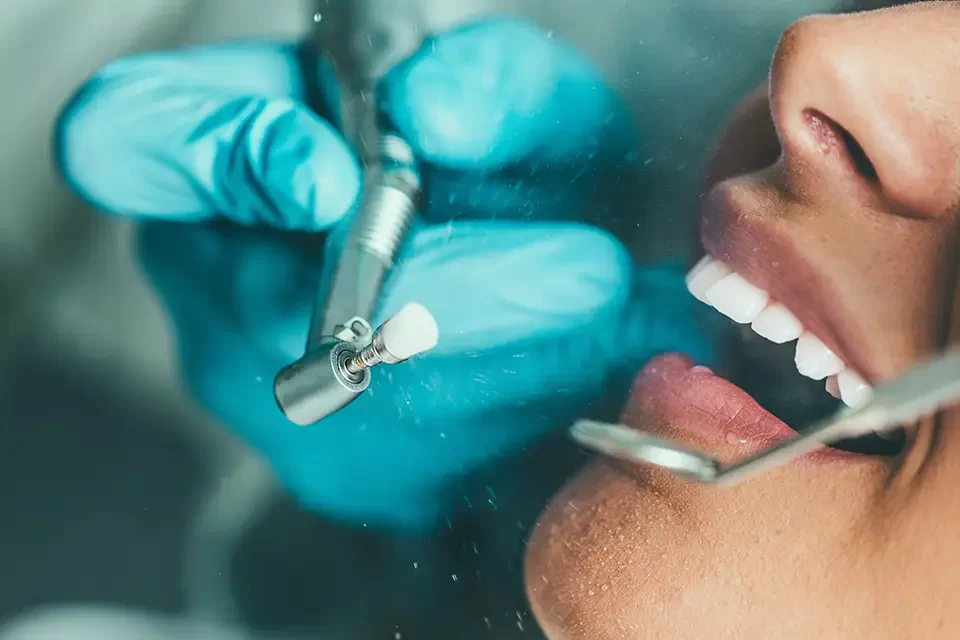
- Margin-first finishing: High-gloss polish and smooth contacts help you keep edges clean.
- Follow-up tweaks: Minor bite refinements after a week or two can add years to a restoration.
What Causes Dental Fillings to Fail?: Estimated Cost, Insurance, and Sensible Timing
People also want to know what this will cost—and how to make it manageable.
- Coverage: Many plans help with medically necessary repairs; crowns typically draw from major restorative benefits with annual caps.
- Predetermination: For larger work, we can submit an estimate so you know your portion in advance.
- Phasing the plan: If there’s pain today, we solve that first; resilience-building steps (like a crown or nightguard) can be scheduled next.
- Because case complexity varies, your final fee will vary as well. The written plan you receive includes photos, findings, and line-by-line costs, so there are no surprises when asking, “What causes dental fillings to fail?”
The Bottom Line
If you’re wondering “What causes dental fillings to fail?”, you’re already paying attention to the right details. A rough edge, a new zing with cold, or a dark halo is your early-warning system. Catching it now keeps treatment conservative and costs reasonable.
Need a margin check or second opinion? Book a visit with North Hill Dental in Richmond Hill. We’ll examine the tooth, show you exactly what we see, and give you a clear, itemized plan—so the repair feels solid and stays that way.
FAQs
How long should a filling last?
With good hygiene and a stable bite, many composite fillings last 7–10 years or longer. Small touch-ups are normal maintenance, not failure of the tooth.
Is replacing a filling painful?
No. Local anesthesia keeps the visit comfortable. Most people return to normal activities the same day; mild tenderness usually fades within 24–48 hours.
Can I ignore a tiny chip?
If it’s smooth and food isn’t packing, we can sometimes watch it. If floss snags, sensitivity is new, or a dark line appears, early repair is safer—and cheaper.
Why do I get decay around fillings even though I brush?
It’s usually plaque at the edge plus sugar frequency, and sometimes dry mouth or grinding. Tuning those factors—plus a nightguard when needed—usually breaks the cycle.