Bleeding when you brush. Tender gums after lunch. Breath that doesn’t feel as fresh as it used to. If these sound familiar, you’re likely wondering: “Can gingivitis be reversed?” The short answer is yes—when inflammation is still limited to the gums and bone has not been lost, targeted care can return tissues to health. At North Hill Dental in Richmond Hill, Ontario, we take a measured approach: identify what’s fuelling the irritation, remove the bacterial buildup, and help you build simple routines that keep gums calm day to day. Understanding “Can gingivitis be reversed?” turns worry into a plan you can follow.
What You're Feeling—and Why It Starts
Gingival tissues are resilient, but plaque biofilm accumulates quickly. If it’s not disrupted effectively, bacteria trigger an inflammatory response: redness, swelling, and bleeding. Left alone, early inflammation can deepen into periodontitis, which affects the bone that supports teeth. That’s why the question “Can gingivitis be reversed?” matters now, not later—early action keeps care small and comfortable.
Common early signs include:
- Bleeding when brushing or flossing
- Puffy, shiny, or tender gum margins
- A “metallic” taste or breath that lingers
- Mild recession or tooth sensitivity at the gumline
If you’ve asked yourself, “Can gingivitis be reversed?”, these signs are your cue to intervene while solutions are still simple.
Can Gingivitis Be Reversed? The Biology Behind "Yes"
Gingivitis sits at the tissue surface. Because the underlying bone is still intact, the tissues can recover once bacteria and calculus are removed and daily cleaning is consistent. This is the crux of “Can gingivitis be reversed?”—we reduce the inflammatory load clinically, you maintain a clean, low-plaque environment at home, and gums heal.
Three components make the difference:
- Professional removal of deposits above and just under the gumline.
- Daily disruption of plaque where your brush can’t reach—between teeth and along the sulcus.
- Time—usually a few weeks of calm, consistent care.
How We Treat Early Inflammation at North Hill Dental
Your first visit is designed to answer “Can gingivitis be reversed?” for your specific case—quickly and clearly.
- Assessment & Mapping: We review medical history, medications, and habits (mouth breathing, snacking frequency) that prime gums for inflammation. Pocket measurements, bleeding points, and photographs create a baseline.
- Professional Cleaning (Prophylaxis): Thorough removal of plaque and calculus, including careful work at the gumline, lowers the bacterial burden so tissues can settle.
- Coaching That Sticks: We’ll demonstrate brushing angles, the right size of interdental brushes, and a realistic routine. When you know exactly how to clean a tricky site, the answer to “Can gingivitis be reversed?” becomes “yes—and here’s how you keep it that way.”
Most patients notice less bleeding within 10–14 days when home care is steady.
Daily Habits That Turn the Corner
Recovery happens at home. Build a routine you can keep:
- Two minutes, twice a day with a soft brush and fluoride toothpaste. Use small angles toward the gumline; let the bristles do the work.
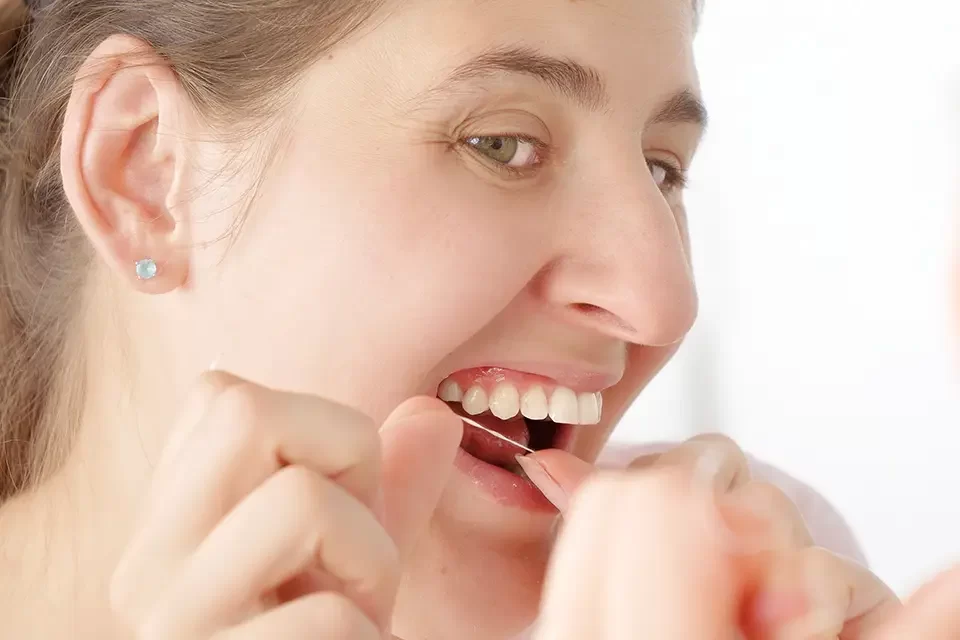
- Clean between teeth daily. Interdental brushes often work better than floss for larger spaces; floss is effective for tight contacts.
- Rinse or sip water after coffee, tea, or citrus. It’s a small step that reduces acidity and plaque stickiness.
- Mind frequency, not just quantity. Multiple sugary or starchy snacks throughout the day fuel plaque; grouping foods into mealtimes helps.
When we talk about “Can gingivitis be reversed?”, these small, repeatable actions are the “how.”
When It Isn't Just Gingivitis
If pockets are deeper and bone levels have changed, we’re in periodontitis territory. While gingivitis is reversible, periodontitis is manageable rather than curable—our aim becomes stabilisation. We may recommend scaling and root planing (a deeper cleaning below the gumline) and targeted reviews to track healing. Even then, the logic of “Can gingivitis be reversed?” still helps—because the same habits that calm gingivitis also protect treated periodontal sites.
Can Gingivitis Be Reversed? Timelines and What to Expect
Most patients see a noticeable reduction in bleeding within two weeks of consistent care after their professional cleaning. Tissues typically look and feel healthier by the four-week mark. We’ll recheck pocket depths and bleeding points to confirm improvement. If sites remain inflamed, we refine technique, tools, or frequency. The question “Can gingivitis be reversed?” becomes “Are gums staying calm between visits?”—and your measurements give us that answer.
Sensitivity, Comfort, and Realistic Expectations
As gums heal and tighten, some people feel short-term sensitivity at the necks of teeth. This is normal as inflammation subsides and pockets shrink. A fluoride gel, desensitising toothpaste, or minor bonding in exposed areas usually resolves it. If you’re still thinking “Can gingivitis be reversed?” while dealing with sensitivity, remember: this is often a sign that tissues are recovering, not a setback.
The Bigger Health Picture
Inflamed gums add to your body’s overall inflammatory load. Helping them heal supports general well-being, especially for patients managing diabetes, pregnancy, or cardiovascular risks. When we discuss “Can gingivitis be reversed?”, we’re also talking about a simple way to reduce background inflammation—something your whole body appreciates.
Prevention That Doesn't Feel Complicated
Once gums are healthy, the goal is to keep them there with the least effort possible. For many, a six-month hygiene rhythm works well; for higher-risk patients (dry mouth, orthodontic appliances, history of inflammation), three to four months is smarter. Either way, the plan is personalised. The routine that protects your answer to “Can gingivitis be reversed?” should fit your life, not fight it.
When to Call Us
If bleeding persists despite careful home care, if gum tenderness escalates, or if teeth feel “different” when you bite, book a visit. Early attention keeps treatment small. At North Hill Dental, we keep appointments calm, explanations clear, and recommendations practical—so “Can gingivitis be reversed?” turns into “my gums feel normal again.”
Conclusion
Healthy gums are quiet—they don’t bleed, swell, or demand attention. Reaching that calm state is realistic with clear steps and consistent support. If you’re asking, “Can gingivitis be reversed?”, the answer at North Hill Dental is yes—when we act early and keep the plan simple. Book a visit in Richmond Hill and let our team map out exactly what your gums need to return to health—and stay there.
FAQs — Can Gingivitis Be Reversed?
How fast can I expect results?
Many patients see reduced bleeding in 10–14 days after a professional cleaning and steady home care. Visible health typically improves within four weeks—another reason “Can gingivitis be reversed?” is often answered with a confident yes.
Do I need special mouthwash?
Not always. Technique beats products. That said, short courses of antimicrobial rinses can help in specific spots. We’ll advise if they add value to your plan for “Can gingivitis be reversed?”.
What if my gums bleed when I floss—should I stop?
Keep going gently. Bleeding is a sign of inflammation, not a signal to quit. As tissues heal, bleeding subsides—one of the clearest indicators that gingivitis is on track.