If your smile looks a bit dull in photos or coffee has left its mark, you’re not alone. The good news: whiter teeth come from small, consistent habits plus a few smart treatments—not harsh scrubbing or miracle pastes. At North Hill Dental in Richmond Hill, Ontario, we map practical steps to whiter teeth that still look natural and feel comfortable. Below are eight clear ways to brighten—what works, what’s overhyped, and how to hold your gains month after month.
1) Professional Cleaning: The Fastest First Step to Whiter Teeth
Plaque and tartar create a yellow-grey film that toothpaste can’t lift. A thorough hygiene visit removes buildup above and below the gumline, reveals your true baseline shade, and makes every other whiter teeth strategy more effective.
Why it matters
- Stain clings to tartar; remove it and the colour lifts immediately.
- Polished enamel re-stains more slowly, supporting longer-lasting white teeth.
- You’ll get tailored tips to reduce future staining around braces, fillings, or tight contacts.
2) Custom Whitening Trays
Custom trays keep gel where it works—on enamel, not your gums. You’ll use a professional-strength formula at home for 10–14 days, then top up a few nights before big events to maintain whiter teeth without sensitivity spikes.
Good to know
- Even gel contact = even shade for white teeth across every tooth.
- Lower sensitivity than aggressive one-size strips.
- Easy to “refresh” results two or three times a year.

3) In-Office Whitening: A Targeted Boost Toward Whiter Teeth
Need a quick lift? In-office whitening uses a stronger gel applied and monitored by a dental professional. We shield your gums, pre-treat sensitive spots, and aim for believable brightness—whiter teeth that look clean in daylight, not chalky on camera.
Best for
- Tight timelines (weddings, photos).
- Stubborn surface stains your trays didn’t shift.
- A jump-start before you switch to trays for maintenance.
4) Smart Beverage Habits
Coffee, tea, red wine, and dark sodas love enamel. You don’t have to quit—just change the contact time so your teeth stay bright.
Practical tweaks
- Use a straw for iced drinks.
- Keep dark beverages with meals (less exposure time).
- Rinse with water after sipping; brush 30 minutes later to protect softened enamel and preserve whiter teeth gains.
5) Polishing Your Routine: Brushes, Paste, and Timing for Whiter Teeth
Over-scrubbing can scratch enamel and make stains stick faster. Gentle and consistent wins.
Routine that works
- Soft brush, two minutes, twice daily—protects the surface that reflects light for whiter teeth.
- Non-abrasive fluoride toothpaste (skip charcoal powders and harsh pastes).
- Daily interdental cleaning (floss or tiny brushes) where the stain hides first.
- If sensitivity pops up during whitening, use a desensitizing paste to keep your path to whiter teeth comfortable.
6) Bonding & Micro-Recontouring
Sometimes colour isn’t the main culprit—worn edges, chips, or rough spots cast shadows and trap stain. Smoothing tiny ridges or adding a whisper of tooth-coloured bonding can make teeth look brighter without changing shade, creating the effect of whiter teeth simply by cleaning up the light.
Where this shines
- Jagged edges that look grey in photos
- Small “black triangles” near the gumline
- Old bonding that’s dulled at the margins
7) Diet & Saliva Support: Inside-Out Help for Whiter Teeth
Acids soften enamel so pigments soak in. Balance matters if you want steady results.
Simple swaps
- Pair citrus and sports drinks with water; don’t sip them all afternoon.
- Chew sugar-free gum after meals to stimulate saliva, the body’s natural cleanser for whiter teeth.
- Choose crunchy, water-rich foods (apples, cucumbers) that gently “self-clean.”
8) Know the Limits
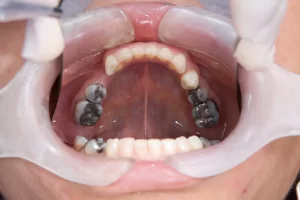
Whitening brightens natural enamel, not existing fillings, crowns, or veneers. Deep internal discoloration (like tetracycline) may need a blended plan to achieve truly white teeth in the smile zone.
What we do
- Whiten enamel first, then replace visible restorations to match your new whiter teeth shade.
- For heavy intrinsic staining, consider selective veneers or micro-bonding on key teeth for a uniform result.
A Simple Maintenance Plan
- Top-ups: Use your trays 1–3 nights every few months to keep your teeth color steady.
- Hygiene cadence: Cleanings every 6 months for most; 3–4 months if stain builds fast.
- Sensitivity control: Desensitizing paste before and during whitening to protect comfort and maintain the progress of whiter teeth.
- Real-world shade: Pick a tone that suits your skin and lip colour; believable brightness reads best in photos and keeps whiter teeth looking natural.
How North Hill Dental Personalizes Your Route to Whiter Teeth
- Listen first: Coffee, tea, wine, aligners, busy schedules—we tailor teeth whitening plans to your actual life.
- Measure, then manage: Baseline photos and shade guides so you can see the change.
- Clear options: Two or three routes—conservative to comprehensive—each with timelines and costs for whiter teeth that last.
- Gentle follow-through: Sensitivity relief, top-up reminders, and quick answers if anything feels off.
Conclusion
Getting whiter teeth isn’t about chasing trends; it’s about the right first step, a steady routine, and treatments that match your goals. If you’re ready for a brighter, natural-looking smile, book a visit at North Hill Dental, Teeth Whitening in Richmond Hill. We’ll set your baseline, map options that fit your schedule and budget, and guide you to whiter teeth that look great in person and on camera.
FAQs
How long do whitening teeth results last?
With good home care and occasional tray top-ups, most patients maintain whiter teeth for years. Surface stain returns first; cleanings and quick refreshes keep it at bay.
Do whitening gels damage enamel?
Used as directed, professional gels don’t thin enamel. Sensitivity is temporary and manageable with desensitizing toothpaste and sensible schedules—so you can keep your teeth whiter, comfortably.
Can I get whiter teeth if I have front fillings or crowns?
Yes—whiten natural enamel first, then replace visible restorations to match your brighter shade. Restorations themselves won’t lighten, but planning keeps whiter teeth uniform.