
Most smiles don’t fall apart overnight. Little things add up—coffee stains that never quite lift, a chip from a weekend sport, a filling that’s older than you remember, gums that bleed “only sometimes.” These are the kinds of issues we hear about every day at North Hill Dental in Richmond Hill, Ontario. We group them under one simple banner: typical oral health problems. The good news? They’re common, understandable, and fixable. Health comes first. Then, when the foundation is calm and stable, cosmetic dentistry can do what it does best—elevate a healthy smile so it looks as good as it feels.
Typical Oral Health Problems: What We See Most
Think of this as a quick map of the usual suspects:
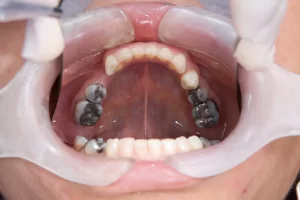
- Early cavities and worn edges: Small patches of softened enamel, often near the gumline, plus flattened or chipped biting edges from years of use.
- Gum inflammation (gingivitis) and early periodontal changes: Bleeding when brushing, puffy margins, and pockets that need attention before they deepen.
- Cracks and failing fillings: Tiny fractures that zing with cold, or older restorations that no longer seal perfectly.
- Crowding, spacing, and bite imbalances: Teeth that twist, drift, or collide, creating traps for plaque and extra wear.
- Colour changes and surface stains: Coffee, tea, wine, or simply time—shade shifts happen even when you brush well.
- Tooth loss (single or multiple): Missing teeth tilt the bite, stress remaining teeth, and change how you chew and speak.
Naming the pattern matters because each of these typical oral health problems has a straightforward path back to comfort and function.

Typical Oral Health Problems: Why They Linger
Three reasons tend to keep minor issues around longer than they should:
- Dry mouth and modern life: Medications, busy schedules, and constant snacking reduce saliva’s protective role, so enamel loses more minerals than it gains.
- Invisible habits: Nighttime clenching or grinding quietly shortens edges, loosens old fillings, and seeds microcracks.
- “No news is good news” thinking: If it doesn’t hurt, it can wait. Unfortunately, many typical oral health problems are painless until they’re not—then treatment is bigger than it needed to be.
A check-in and a plan flip the script from “it got worse” to “we kept it small.”
Health First: Stabilizing Before You Upgrade
Cosmetic results last when the foundation is calm. That’s why we start with:
- Thorough cleaning and gum reset: Reduce bleeding, shrink inflammation, and make home care easier.
- Targeted repairs: Replace failing fillings with durable, tooth-coloured materials; seal early cavities conservatively.
- Bite review: If you clench, we design with strength in mind and often recommend a nightguard.
- Shade baseline: A simple whitening step can set the colour target for any future refinements.
When we treat typical oral health problems in this order, the smile is ready for the next level—and that’s where cosmetic dentistry shines.
Typical Oral Health Problems & the Role of Cosmetic Dentistry
Here’s how cosmetic care aligns with everyday concerns—always after health is stable.
- Chips, small gaps, uneven edges → Composite bonding
- Adds natural-looking contour with minimal drilling. Great for finishing touches after alignment or whitening.
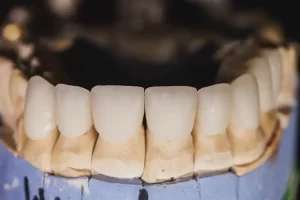
- Multiple front teeth with colour/shape concerns → Porcelain veneers
- Coordinates shade and shape across your visible smile. Translucency and edge detail create a natural, not “done,” look.
- General crowding or mild bite issues → Clear aligners or discreet braces
- Move teeth into positions that are easier to clean and kinder to enamel. Often paired with whitening and minor bonding.
- Dark, mismatched, or heavily restored back teeth → Onlays and crowns
- Reinforce strength for chewing while refreshing colour and contour.
- Uneven gumline → Gentle gum contouring
- Evens the frame of the smile so teeth look properly proportioned.
- Single missing tooth or several → Dental implants or bridgework
- Restores function and prevents neighbouring teeth from drifting into the space.
Each step is small on its own; together they transform how your smile looks—and how it holds up day to day.
Typical Oral Health Problems: Sequencing That Saves Enamel (and Budget)
A smart order keeps treatment conservative and predictable:
- Assess & Preview – Photos, shade mapping, and a bite check. If it helps, we can do a mock-up or digital preview so you can react before anything is permanent.
- Stabilize – Treat gums, repair what’s urgent, and address dry mouth or grinding.
- Position & Colour – Aligners if needed, then whitening to set the long-term shade.
- Refine Shape – Micro-bonding for edges, a few veneers where coordination matters, onlays/crowns for strength in the back.
- Protect – Nightguard for clenching, hygiene cadence that fits your routine, easy touch-ups as needed.
When typical oral health problems are handled in this arc, cosmetic work becomes lighter, faster, and longer-lasting.
Materials, Maintenance, and Real Life
- Whitening: Quick refresh; plan for periodic touch-ups. It’s normal, not a failure.
- Bonding: Enamel-friendly and budget-conscious; expect a polish or refresh in a few years, depending on habits.
- Veneers: Higher upfront investment; strong colour stability and edge durability when you protect them from grinding.
- Onlays/Crowns: Function-first for molars; cosmetic gains are a welcome side effect.
- Aligners: Flexible and discreet; retainers matter to keep your result steady.
The theme is practical: choose the lightest tool that achieves your goal, and protect it with simple, steady habits.

How North Hill Dental Personalizes Care in Richmond Hill
No two mouths—or calendars—are the same. Our approach is calm and collaborative:
- Listen first: What bugs you most? What’s your timeline? What “natural” looks like to you.
- Show, don’t just tell: Photos and scans to explain the typical oral health problems we see, plus previews of potential changes.
- Offer choices: Two or three credible routes—from conservative to comprehensive—with itemized steps and timeframes.
- Go steady: Shorter visits if you prefer, staged plans that match seasons or milestones, and a maintenance plan that keeps the finish line in sight.
You’ll leave with a roadmap you can read and a result designed to last.
Typical Oral Health Problems: Quick Wins That Make a Big Difference
If you want visible progress without a full overhaul, start here:
- Gumline tune-up + whitening: Cleaner margins and brighter shade lift the whole smile.
- Edge symmetry with bonding: Tiny adjustments even out wear and make teeth photograph better—often in one visit.
- Replace the one obvious outlier: A dark crown or a leaky filling replaced with modern materials can change how your smile reads instantly.
- Nightguard for grinders: Protects teeth and any new work; often improves morning comfort.
These “small” steps often deliver the biggest day-to-day confidence boost while larger plans are staged thoughtfully.
Typical Oral Health Problems: What Success Looks Like
Success isn’t just a mirror moment. It’s quiet:
- Chewing without favouring one side.
- Brushing and flossing feel easy again.
- Gums that don’t bleed.
- Edges that don’t catch on your lip.
- Photos where your smile looks like you—only rested.
That’s the real transformation: common, manageable, typical oral health problems turn into a stable, polished smile you don’t have to think about.
Conclusion
Every smile carries a history. A stain here, a chip there, a filling from years ago. Address the typical oral health problems first—gums calm, bite balanced, and repairs sealed—and cosmetic dentistry can elevate everything without over-treating. If you’re ready to see what’s possible, North Hill Dental in Richmond Hill, Ontario, is here to help.
Book a consultation for your oral health checks. Bring the top three things you’d change and, if you have one, a photo of a smile you like. We’ll map a simple plan—conservative where it can be, comprehensive where it needs to be—and guide you from everyday concerns to a result that looks natural, feels comfortable, and lasts.