When patients come in asking about orthodontics, one question almost always comes up first: Invisalign or braces — which one will straighten my teeth faster? It’s a fair question. Treatment is a commitment, and most people want to know not only what to expect but also how long it will take.
At North Hill Dental’s cosmetic dentistry in Richmond Hill, we’ve seen both systems work beautifully. Sometimes braces are the quicker path. Sometimes Invisalign is. The difference comes down to the case itself — and to the person wearing them.
So let’s unpack it. If you’re weighing Invisalign or braces, here’s what you need to know about speed, comfort, and what really affects the timeline.
Invisalign or Braces: The Basics
Before comparing speed, it helps to understand how each system works.
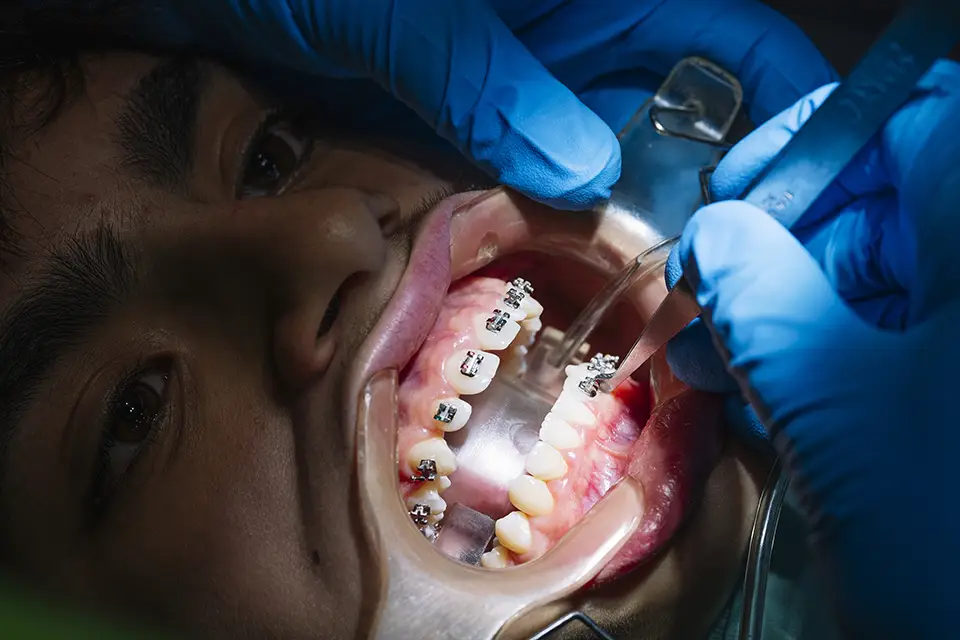
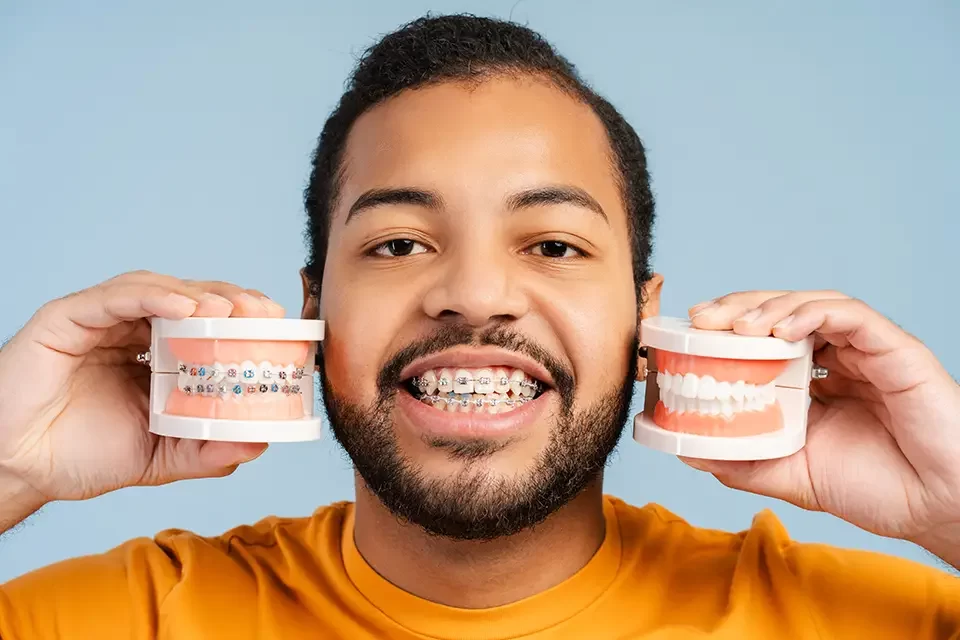
- Braces – brackets are fixed to your teeth and connected by wires. Your dental professional adjusts them regularly, which gradually guides teeth into place.
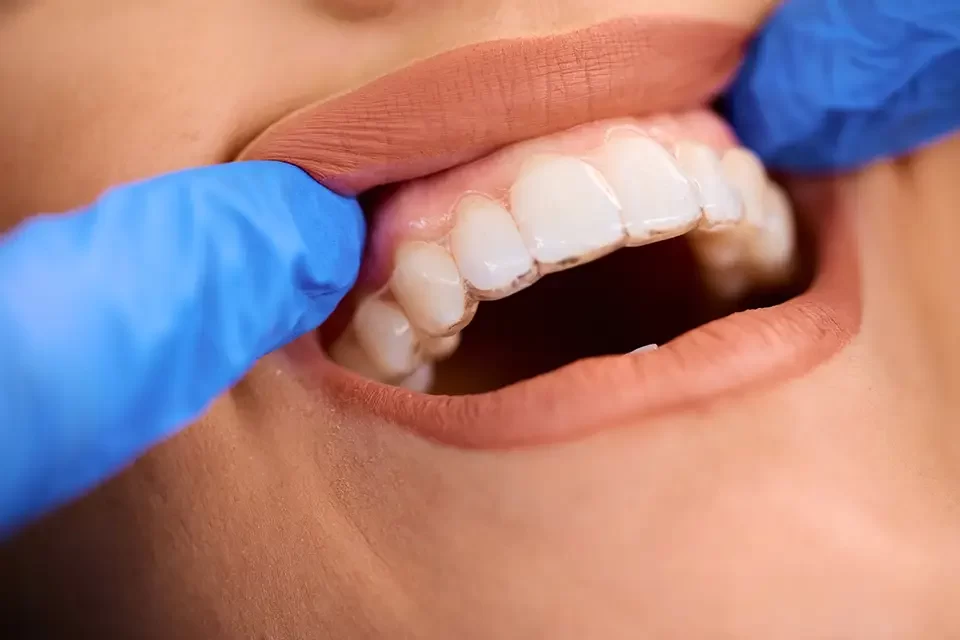
- Invisalign – a series of clear, removable aligners are custom-made. Each set shifts the teeth slightly before moving to the next one, usually every one to two weeks.
Both are proven. Both are effective. But when you ask about Invisalign or braces in terms of “faster,” the answer depends on the details of your smile.
Which One Straightens Teeth Faster?
The short version?
- Braces often move teeth faster in complex cases. Severe crowding, big gaps, and major bite problems respond especially well to brackets and wires.
- Invisalign can be faster in mild to moderate cases. Because aligners apply consistent pressure — as long as they’re worn 20–22 hours per day — movement is steady and predictable.
But here’s the catch: speed isn’t just about the appliance. Some patients finish with braces in a year. Others wear them for three. Some aligner cases wrap up in under 12 months. Others stretch out because the aligners weren’t worn consistently.
So when we answer Invisalign or braces at North Hill Dental, it’s never one word. It’s always: it depends.
What Really Affects Treatment Time
No matter which system you choose, certain factors make a big difference in how fast things move:
- Case complexity – minor spacing shifts more quickly than correcting a severe bite.
- Age – younger patients sometimes respond faster, though adults still see excellent results.
- Compliance – braces are always on. Invisalign only works if aligners are worn as directed.
- Appointments – adjustments and check-ins keep things on track. Skipping visits slows progress.
- Biology – bone density and tooth movement vary from person to person.
Some patients finish in six months. Others take two years or more. That’s why speed shouldn’t be the only deciding factor between Invisalign or braces.
Why Braces Might Be the Faster Choice
Braces have a long history, and there’s a reason they remain the go-to for many orthodontic cases:
- Effective for severe crowding and rotations.
- Can handle complicated bite corrections.
- Always working — since they can’t be removed.
- Suitable for nearly all ages.
Yes, they’re more noticeable. And adjustments can cause some soreness. But when teeth need complex movement, braces often deliver results more quickly.
Why Invisalign Might Be the Faster Choice
On the other side of the Invisalign or braces debate, aligners have clear advantages:
- Nearly invisible, making them a discreet option.
- Comfortable — no wires or brackets to irritate soft tissues.
- Removable — easy to eat, brush, and floss.
- Fewer food restrictions compared to braces.
- Consistent pressure when worn properly can speed progress in simpler cases.
For motivated patients, Invisalign can straighten teeth efficiently — and with less disruption to daily life.
Invisalign or Braces: Making the Choice
So, what should you choose? At North Hill Dental, we don’t look at just one factor. We consider:
- The severity of your alignment needs.
- Your age and bone structure.
- How comfortable you are with responsibility (aligners require discipline).
- Your lifestyle — school, work, or social settings.
- Budget and insurance coverage.
That’s why asking about Invisalign or braces is only the first step. The real answer comes after a professional assessment, where we match the treatment to your goals and your health.
Conclusion
So, Invisalign or braces. Which one straightens teeth faster? The truth is, it depends. Braces often win for complicated movements. Invisalign can keep pace, or even finish quicker, for simpler corrections — but only if the aligners are worn exactly as prescribed.
And here’s the bigger point: speed isn’t everything. The right choice is the one that fits your smile, your lifestyle, and your goals. Some patients value time. Others value appearance. Others care most about comfort. The right plan balances all three.
Take the Next Step
Still wondering about Invisalign or braces? You’re not alone. The best way to know is to sit down with a professional who can see your case in detail.
At North Hill Dental in Richmond Hill, we’ll review your smile, explain your options, and help you decide. No rushed answers. No pressure. Just guidance.
Call us today to book a consultation. Bring your questions, and leave knowing whether Invisalign or braces make the most sense for you.
FAQs About Invisalign or Braces
Which hurts more: Invisalign or braces?
Neither is “painful,” but both cause pressure as teeth begin moving. Braces may cause more irritation to cheeks and lips, while Invisalign tends to feel smoother.
Which costs more: Invisalign or braces?
They’re often comparable. Sometimes Invisalign is slightly higher, but it depends on the complexity. At North Hill Dental, we provide clear estimates for both options.
Can Invisalign treat everything braces can?
Not always. Very complex cases may still be better managed with braces. But Invisalign has advanced a lot and can now treat more than it could even a decade ago.
Do Invisalign or braces require more visits?
Braces typically need monthly adjustments. Invisalign may need fewer visits, though check-ins are still important to track progress.
Which one really is faster?
For severe cases, braces may finish sooner. For mild to moderate issues, Invisalign can be just as quick — if aligners are worn as instructed.