An exposed tooth root can turn a sip of cold water into a jolt. Whether gum recession has uncovered the root surface, a filling or crown has loosened, or you’ve had recent treatment and are worried you’re dealing with an exposed tooth root, the priorities are the same: calm the tooth, protect it from bacteria and temperature swings, and get a timely, sensible fix. At North Hill Dental, we keep things practical and human—what to do right now, what to avoid, and which treatments actually solve the problem instead of masking it.
What People Mean By "Exposed Tooth Root"
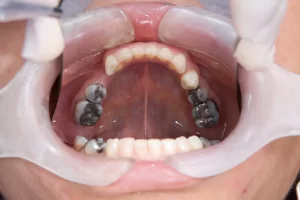
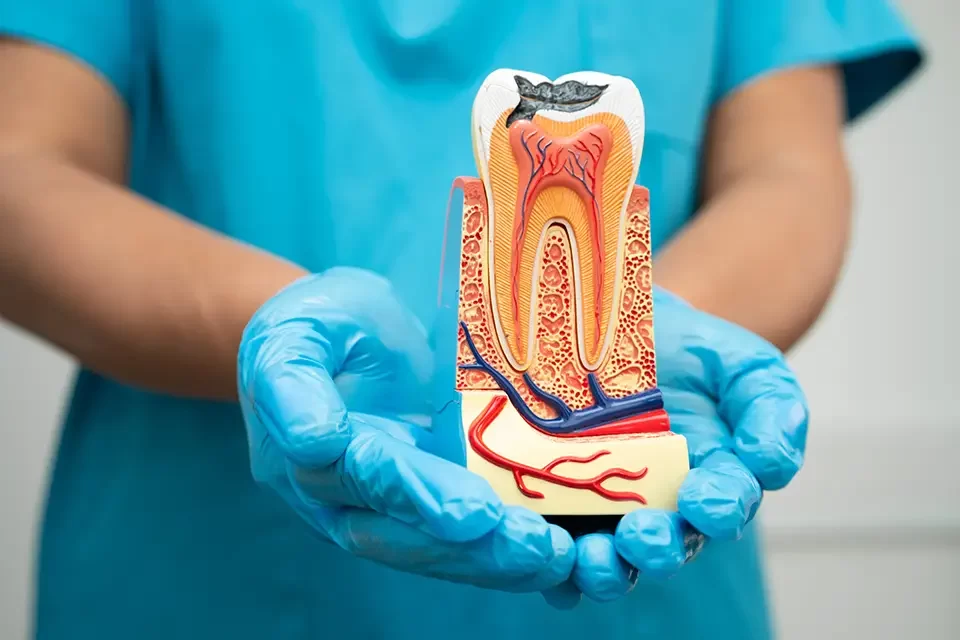
Most commonly, the gum has receded, and the root surface (cementum/dentin) is showing. That alone can feel like an exposed tooth root because root surfaces transmit cold and touch far more than enamel. Sometimes a filling or crown has fallen out, leaving deeper tooth layers unprotected; if the tooth recently had endodontic therapy and a temporary came loose, the access opening may literally be exposed. Trauma and cracks can also uncover sensitive layers quickly, especially if a piece of tooth breaks off.
If you’re unsure which situation you’re in, the symptoms often hint at it:
- Short, zingy pain to cold usually points to the exposed root surface.
- Lingering, throbbing pain or pain on biting suggests deeper involvement that needs urgent evaluation.
Immediate Care for An Exposed Tooth Root (Right Now)
A few simple moves protect the area until you’re seen:
- Rinse gently with warm saltwater once or twice a day.
- Use a desensitizing toothpaste (potassium nitrate) twice daily; dab a little directly on the spot before bed and don’t rinse.
- If a filling or crown came off, place pharmacy-grade temporary dental cement (never glue) as a short-term cover.
- Keep foods lukewarm and chew on the opposite side.
Skip aspirin on the gum (it can burn tissue), ice-cold drinks, or “testing” the tooth with sweets or extreme temperatures.
Gum Recession: The "Everyday" Exposed Tooth Root Sensation
Recession exposes root surfaces that were never meant to face the outside world. They’re more porous and closer to the nerve, so cold touch and even a gust of winter air can sting. The good news: recession-related sensitivity is highly manageable.
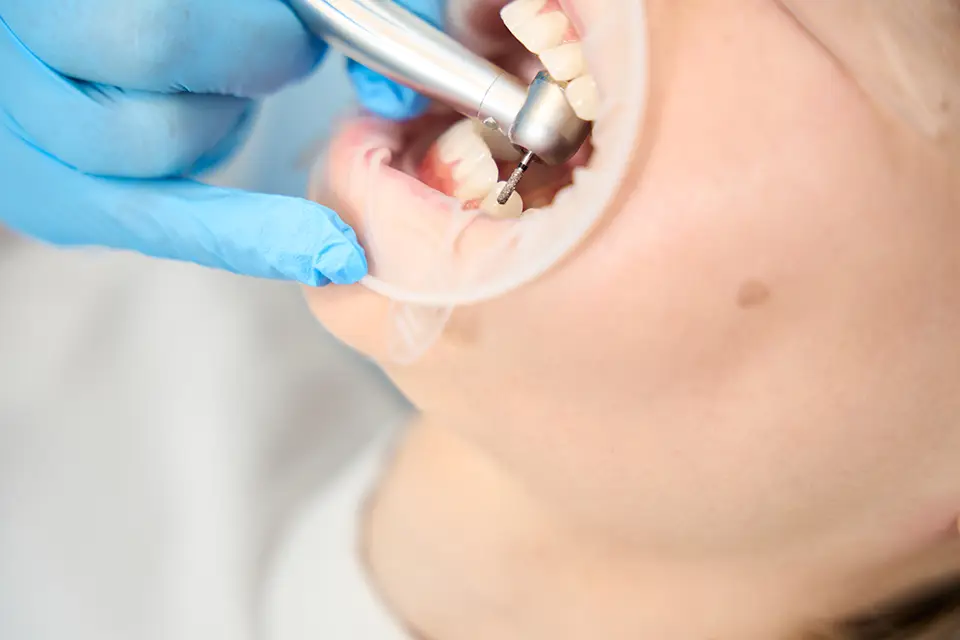
In the chair, we often start with fluoride varnish or professional desensitizers to seal microscopic tubules, then add bonding over the exposed patch if you need stronger insulation. If aesthetics or progression are concerns, gum grafting can cover the root and thicken the tissue for long-term stability. When clenching or an uneven bite worsens recession, a light bite adjustment or night guard protects the area and prevents new flares.
At home, soft bristles, a gentle angle toward the gumline, and less-abrasive toothpaste stop you from “sanding” the root every morning.
Lost Filling or Crown: A True Exposed Tooth Root Risk
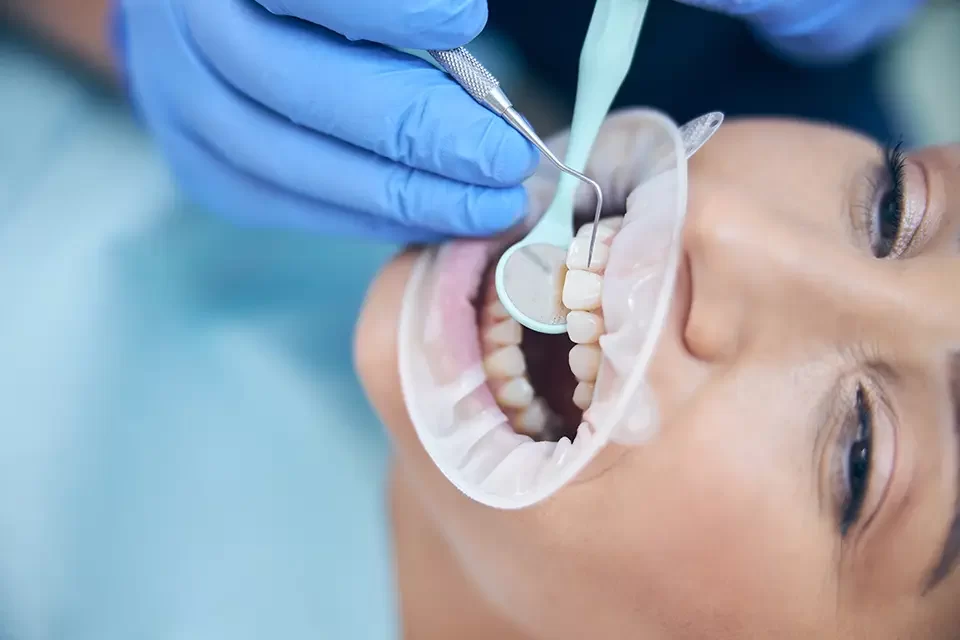
When a restoration dislodges, the tooth loses its shield. Temperature swings and bacteria can sneak in; if you’ve recently had root canal therapy and the temporary falls out, the access cavity may be open to the mouth.
Short-term, keep it clean, cover sharp edges with temporary cement, and avoid sticky or extremely hot/cold foods. In the clinic, we’ll examine the margins and tooth structure. If things are sound, we re-cement the crown; if decay or fracture caused the failure, we replace the restoration and, when indicated, complete or reseal the root canal before placing a protective core and a definitive crown. Timing matters here—leaving a true exposed tooth root open increases the risk of reinfection.
Trauma And Cracks: When an Exposed Tooth Root Hurts Immediately
Biting a pit or a fall can crack enamel and dentin or even expose the pulp. You might feel sharp pain on release after biting, immediate lingering cold pain, or notice a piece missing.
We’ll take focused images, test the bite, and stabilize the tooth—often with bonding or a provisional crown—so the crack doesn’t propagate. If the pulp is exposed or irreversibly inflamed, root canal therapy removes infected tissue and ends the nerve pain; a full-coverage crown then restores strength. The earlier we stabilize, the better the prognosis.
Professional Treatments We Use for an Exposed Tooth Root
Every case is personal, but most solutions fall into clear buckets:
- Desensitizing & Remineralizing Care: Fluoride varnish, prescription pastes, and resin infiltration for quick relief on sensitive root surfaces.
- Restorative Coverage: Tooth-coloured bonding or, for larger defects, onlays/crowns that seal and insulate.
- Periodontal Solutions: Targeted deep cleaning when plaque-inflamed gums are driving recession; gum grafting for coverage and thicker tissue.
- Endodontic Care: Start, complete, or re-treat root canal therapy if the canal space is exposed or infected.
- Occlusal Therapy: Night guards and minor bite adjustments to reduce micro-trauma that keeps roots irritated.
We’ll build a plan that fixes today’s problem and lowers the odds you’ll face another exposed tooth root scare.
Pain Control & Home Care While You Wait
Most people do well with over-the-counter pain relievers taken as directed (your physician can advise what’s safe for you). Keep foods and drinks in the “lukewarm” zone, and maintain gentle hygiene—plaque worsens sensitivity, even when brushing is uncomfortable. If pain becomes constant, swelling appears, or you have a fever or difficulty swallowing, treat it as urgent and call right away.
Prevention: Keep Sensitive Roots Quiet
Small, consistent habits matter more than big, occasional efforts.
- Brush Smart: Soft or extra-soft bristles, light pressure, and a gentle angle toward the gumline.
- Choose the Right Paste: Desensitizing + fluoride formulas protect exposed areas.
- Tame Acids: Cut frequent sips of sodas and citrus; rinse with water if you indulge.
- Protect at Night: If you clench or grind, a guard prevents ongoing micro-trauma.
- Be Kind with Whitening: Avoid abrasive pastes on exposed roots; ask us for gentler options.
These changes won’t reverse the recession, but they’ll make flare-ups far less likely and reduce the chance of another exposed tooth root episode.
When To Call North Hill Dental (Richmond Hill)
If cold air, a toothbrush, or sweets keep zinging a tooth—or you’re worried about an exposed tooth root after a lost filling or recent treatment—let’s take a look. We’ll identify the cause, calm the tooth, and map a clear plan: sealing a sensitive root, re-cementing a crown, starting or completing endodontic care, or planning conservative gum coverage.
Call North Hill Dental in Richmond Hill, Ontario, or book online for a prompt assessment. You’ll leave knowing exactly what happened, what it will take to fix it, and how to keep sensitive roots quiet for the long run.
FAQs About an Exposed Tooth Root
How fast should I be seen if a temporary falls out after a root canal?
Soon. Cover with temporary cement and call us—the sooner we reseal, the lower the reinfection risk.
Can sensitive roots be fixed without major procedures?
Often yes. Professionally applied desensitizers and small bonding repairs can be very effective.
Does every sensitive tooth need a root canal?
No. We reserve endodontic therapy for pulpal involvement or infection. Many sensitivity cases resolve with sealing, bonding, or grafting.
Will gum grafting always solve sensitivity?
It helps in the right cases, especially with deep recession, but we also address bite forces, hygiene, and acid exposure to make results last.